
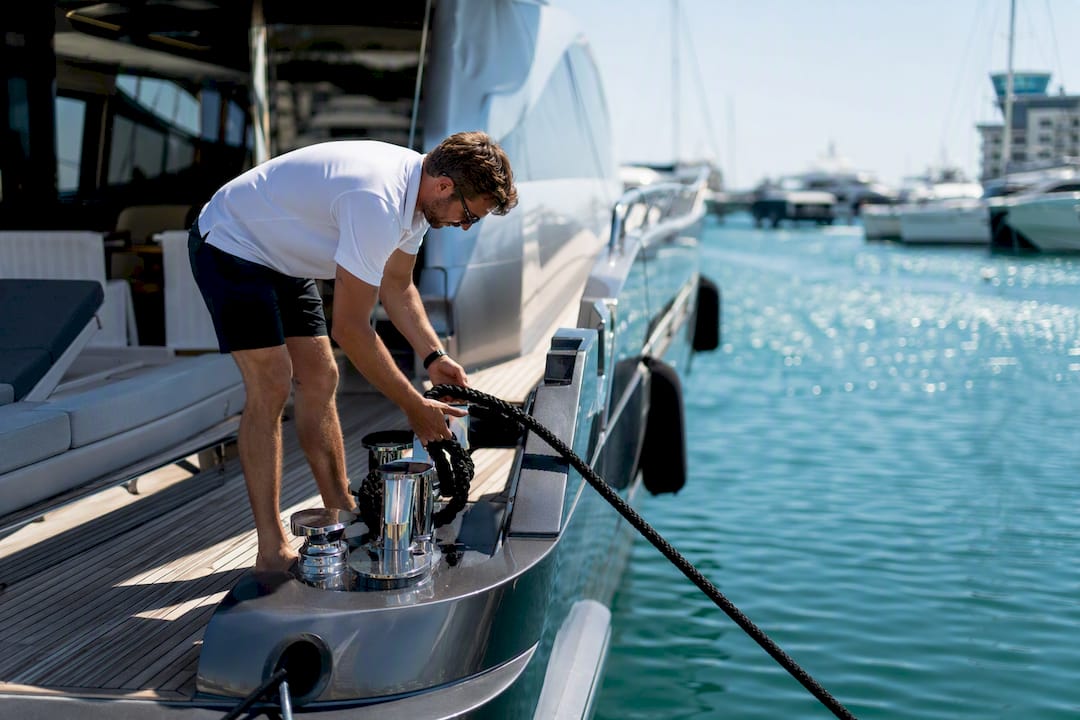
The yacht purchase process follows a clear sequence: define your vision, hire a buyer’s broker, shortlist and sea-trial candidates, make an offer subject to survey, commission a pre-purchase survey, negotiate and close, then take delivery. If you have not yet engaged a broker, that is your next move. If you have, your next step is writing a design and use brief.
Timelines vary sharply by path. A brokerage purchase typically closes in one to three months from offer to closing. A new build runs 18 to 48 months from contract to delivery.
- Brokerage purchase: 1 to 3 months, offer to close
- New build: 18 to 48 months, contract to delivery
- Budget rule of thumb: plan for annual running costs near 10% of the purchase price
Key Takeaways
The yacht purchase process succeeds when buyers sequence broker selection, survey diligence, and ownership structuring correctly, since skipping any one step raises post-closing costs and risk.
| Point | Details |
|---|---|
| Start with a brief | Define use case, guest profile, and budget before contacting any broker or yard. |
| Hire representation early | A buyer’s broker shapes which yachts you see and coordinates due diligence at no direct cost in most cases. |
| Treat the survey as decisive | Survey findings, not emotion, should drive final price negotiation and remediation decisions. |
| Structure ownership before signing | Flag state, holding company, and title checks belong in the pre-closing phase, not after. |
| Work with an experienced advisor | Baranof Yacht Sales manages brokerage, custom builds, and closing coordination as a single accountable process. |
Table of Contents
- What Is the First Step in the Yacht Purchase Process?
- How Do You Choose the Right Buyer’s Broker?
- What Should a Viewing and Sea Trial Checklist Include?
- How Does Making an Offer Actually Work?
- Why Does the Pre-Purchase Survey Decide the Deal?
- What Financing and Insurance Should You Plan For?
- How Should You Structure Ownership and Flagging?
- What Happens During Closing and the First 90 Days?
- What Should You Expect After You Take Ownership?
- How Baranof Yacht Sales Guides Buyers Through This Process
- What First-Time Buyers Get Wrong
- Ready to Start Your Own Yacht Purchase Process?
- Where to Verify Legal, Survey, and Title Details
- Frequently Asked Questions
- Sources
What Is the First Step in the Yacht Purchase Process?
Before you look at a single listing, define what the yacht is actually for. That decision drives everything downstream: size, layout, crew, and which brokers and yards you should even be talking to.
Start with primary use. Day cruising in protected water calls for a very different platform than bluewater passages or seasonal chartering. Guest count and crew profile follow naturally: a couple who entertains occasionally needs different accommodation than a family running full-time crew.
- Use case: day, coastal, bluewater, or charter
- Guest and crew profile: who’s aboard, how often, for how long
- Size and equipment: driven by use, not by what looks impressive at a boat show
- Budget: purchase price plus running costs, oriented around an 8 to 12% annual rule
New builds suit buyers with specific customization needs and patience for an 18 to 48 month timeline. Brokerage purchases suit those who want to be on the water within months.
Pro Tip: Write your use case and guest profile down before you contact anyone. A one-page brief keeps brokers, surveyors, and yards focused on what you actually need, not what they have available.
How Do You Choose the Right Buyer’s Broker?
Your broker determines which yachts you even get shown, so this decision shapes the entire yacht purchase process before you’ve seen a single vessel. A buyer’s broker sources candidates, negotiates on your behalf, and coordinates the due diligence chain: surveyor, insurer, documentation specialist, and closing attorney.
Fee structure surprises many first-time buyers. The buyer’s broker’s fee is commonly paid from the seller-side commission, not billed separately to you, though you should confirm this in writing before signing anything.
When interviewing candidates, ask these questions:
- How many transactions have you closed in this size range over the past two years?
- Do you represent sellers as well as buyers, and how do you handle that conflict?
- Which surveyors and maritime attorneys do you typically recommend, and why?
- Will I see off-market or exclusive listings, or only what’s publicly advertised?
Red flags include brokers who won’t provide past client references, who push exclusivity agreements without explaining the terms, or who seem more interested in a quick close than a fit for your brief.
Pro Tip: A broker’s network often matters more than their sales pitch. The right buyer’s broker sees inventory that never hits public listings.
What Should a Viewing and Sea Trial Checklist Include?
Once your broker builds a shortlist, treat each candidate like a due diligence file, not a browsing exercise — see our guide on so you’ve inquired about a yacht, now what? to understand the next steps after inquiry. Build a one-page summary for every yacht: builder, refit history, engine hours, current location, and asking price. This lets you compare candidates side by side instead of relying on memory after a week of travel.
During each walk-through, check:
- Documentation: title, registration, class certificates, maintenance logs
- Machinery: engines, generators, stabilizers, and hours against service intervals
- Electronics: navigation suite, communications, and integration age
- Soft items: upholstery, canvas, and interior wear relative to stated use
- Service records: consistency between logged work and physical condition
The sea trial, usually a two to four hour window, is where you and your captain or engineer observe handling, noise, vibration, and system response under load. Sea trials aren’t just a speed check, they’re part of price discovery: what you observe on the water often becomes a negotiating point the survey later confirms. Stage your viewings geographically to compare apples-to-apples and avoid burning weeks on redundant travel. Our guide to sea trial planning covers who to bring and what to log during that window.
How Does Making an Offer Actually Work?
Brokerage offers in the yacht purchase process typically follow standardized templates, often IYBA or MYBA-style purchase agreements, which spell out deposit terms, survey contingencies, and closing conditions.
- Submit a written offer specifying price, contingencies, and closing timeline.
- Place a deposit, commonly 10% of the offer price, into an escrow account held by the seller’s broker.
- Negotiate a subject-to-survey period, typically 14 to 30 days, during which you can inspect the vessel and withdraw without penalty.
- Finalize contingencies covering financing, documentation review, and title clearance.
On pricing, expect some give. Initial offers commonly land 8 to 15% under asking, with final negotiated prices settling 5 to 12% under asking depending on market conditions and how motivated the seller is.
- Deposit sits in escrow, not with the seller directly
- Survey contingency is your primary exit ramp if problems surface
- Financing and title contingencies protect you if either falls through
Why Does the Pre-Purchase Survey Decide the Deal?
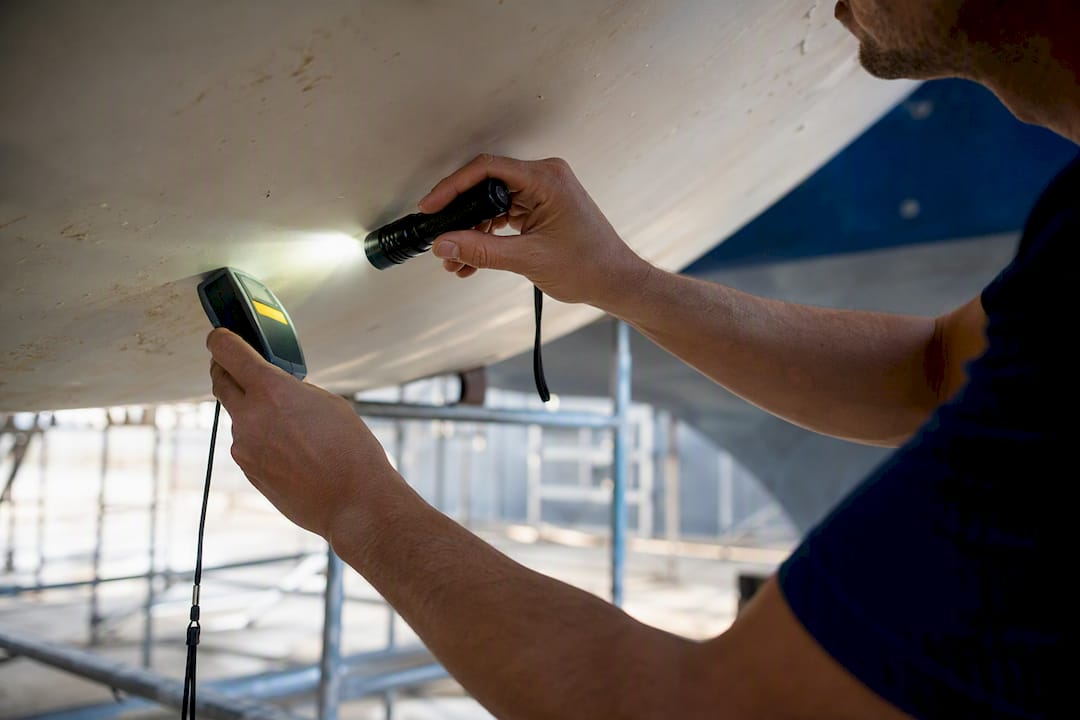
The survey is where the yacht purchase process becomes real. Everything before it is exploration; everything after it is negotiation grounded in fact. An independent marine surveyor works for you, not the broker, which is exactly the point: surveys are buyer-directed, and the report belongs to you.
Costs scale with size and complexity. For larger yachts, survey costs can range from tens to hundreds of thousands of dollars, increasing with vessel size and complexity.
Findings typically sort into three categories: safety-critical items requiring immediate attention, recommended repairs with moderate urgency, and future-maintenance notes worth tracking but not acting on immediately. An experienced broker prices out the remediation list and helps you choose a path.
- Owner completes repairs before closing
- Price adjustment, commonly in the 1 to 6% range depending on item severity
- Contract termination within the survey window if findings are serious enough
Baranof’s guide to what a yacht survey actually covers walks through how to read a surveyor’s report line by line.
What Financing and Insurance Should You Plan For?
Financing and insurance shape your cashflow long after the closing table, and both deserve attention before you fall in love with a specific yacht. Marine lenders typically pre-qualify buyers on liquidity, vessel age, and intended use, with loan terms varying by whether the yacht is for private use or charter income generation.
Insurance requirements differ by coverage type: hull and machinery, liability, and crew coverage each carry distinct underwriting criteria, and most insurers require a current survey report before binding a policy.
- Financing: pre-qualification hinges on liquidity and vessel use, not just credit history
- Insurance: hull, liability, and crew coverage each require separate underwriting
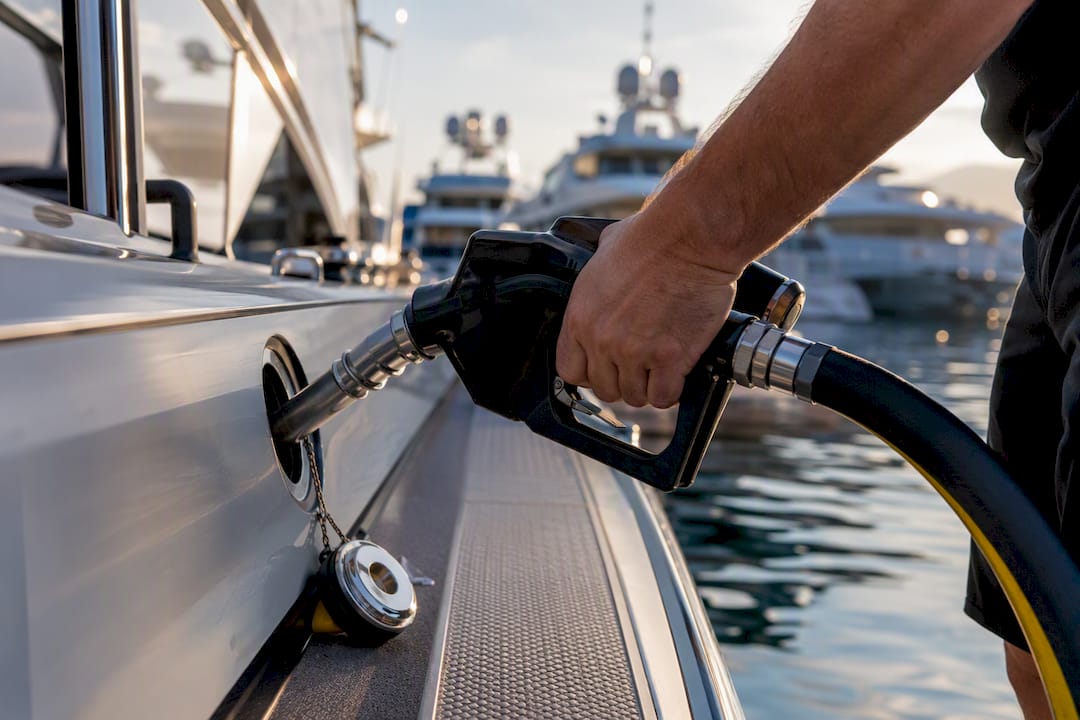
- Running costs: crew, fuel, maintenance, and berth fees typically total near 10% of purchase price annually
- Tax and VAT exposure varies enormously by flag state and residency, so get jurisdictional counsel early, not after closing
Pro Tip: Get your insurance broker involved during the survey window, not after. A flagged issue in the report can change your premium or your coverage terms entirely.
How Should You Structure Ownership and Flagging?
Many buyers purchase through a single-purpose holding company rather than in their own name, a structure that simplifies liability, tax planning, and future resale. Flag state selection affects everything from crew employment law to inspection regimes, so it deserves attention well before you sign.
Classification matters most when you’re financing the purchase or plan to charter, since lenders and charter authorities often require a class certificate from a recognized society. Before closing, verify clear title through a lien search and registry check.
Treating the purchase like acquiring a company is the right instinct. A yacht is an actively managed asset that requires ongoing attention to flag compliance, crew contracts, and tax structure, and getting that framework right before you sign prevents liabilities from surfacing after the deal closes.
- Confirm clear title through registry and lien searches
- Decide flag state before closing, not after
- Engage a maritime attorney for title and structuring review
What Happens During Closing and the First 90 Days?
Closing itself is largely administrative: documentation exchange, wire transfer of funds, and final registration filing, typically coordinated by your closing attorney and broker at a location specified in the purchase agreement.
- Confirm final wire instructions directly with the escrow holder, never by email alone.
- Review the delivery checklist: spares inventory, owner’s manuals, warranty documentation, and crew handover briefings.
- Plan a 90-day orientation period: short trips first, full systems checks, and structured time with the outgoing captain or delivery crew if one is involved.
- Stage payments where the contract allows, tying the final release to confirmed delivery condition.
Rushing this window is the most common source of early ownership frustration. Give yourself the full 90 days to learn the yacht before pushing longer passages.
What Should You Expect After You Take Ownership?
Warranty proximity and dealer support often matter more day to day than builder prestige. A yacht with excellent local service access beats one with a bigger name and a six-week wait for parts.
- Build a support network early: engineer, electrician, and rigger you can call directly
- Leave room for staged upgrades rather than over-specifying everything at purchase
- Reserve cabling, space, and access for systems you might add later
Pro Tip: Spend your first season learning the yacht as delivered. Buyers who over-customize immediately often regret choices made before they understood how they actually use the boat. Our guide to staged upgrades covers how to sequence changes without disrupting warranty coverage.
How Baranof Yacht Sales Guides Buyers Through This Process
Baranof Yacht Sales operates as both broker and project manager, covering brokerage transactions, custom new builds, and project oversight for buyers who want a single point of accountability.
- Buyer representation from initial brief through closing
- Survey coordination and remediation negotiation support
- Ownership structuring guidance alongside maritime counsel
- Delivery and 90-day handover planning
We treat the survey window and closing structure as the two moments that determine whether an owner enjoys their first season or spends it managing surprises.
What First-Time Buyers Get Wrong
Most first-time buyers underestimate how much the broker relationship shapes everything downstream, from which yachts they see to how remediation negotiations go. Set your objectives first, hire representation you trust, and let the survey, not emotion, decide the final terms.
Ready to Start Your Own Yacht Purchase Process?
If you’ve read this far, you already understand why a managed process beats a self-directed search. Baranof Yacht Sales offers exactly that: a single point of contact who coordinates brokerage sourcing, survey oversight, ownership structuring, and delivery, so you’re not juggling five advisors who’ve never spoken to each other.

Our team works with buyers from the first design brief through final handover, whether you’re pursuing a brokerage purchase this season or a custom new build over the next few years. We also support corporate clients who need structured procurement for executive use. If you’re ready to move from research to action, request a consultation and we’ll help you build the brief, shortlist candidates, and coordinate the survey window from day one.
Where to Verify Legal, Survey, and Title Details
- Cornell Law School’s Wex entry on clear title explains what constitutes verified ownership before a maritime closing.
- The Association of Recognised Marine Surveyors lists qualified surveyors and survey standards by region.
- The Owners’ Club buying handbook covers ownership structuring and ongoing compliance obligations.
- Yachting World’s first-time buyer guide offers a practical buyer’s-eye view of the entire process.
Frequently Asked Questions
How long does the yacht purchase process typically take?
A brokerage purchase usually closes in one to three months from offer to closing. A new build runs 18 to 48 months from contract signing to delivery.
Do I need a buyer’s broker, or can I work directly with the seller’s broker?
A buyer’s broker represents your interests exclusively, which matters during negotiation and survey remediation. The fee is commonly absorbed from the seller-side commission, so representation rarely adds direct cost.
How much should I budget for running costs after purchase?
Plan for annual running costs near 10% of the purchase price, covering crew, fuel, maintenance, insurance, and berth fees.
What happens if the survey finds serious problems?
You typically have three options within the survey contingency window: negotiate owner-funded repairs, request a price reduction (commonly 1 to 6% depending on severity), or terminate the contract and recover your deposit.
Should I buy through a holding company?
Many buyers do, since it simplifies liability, tax planning, and resale later. Confirm the right vehicle with maritime counsel before you sign a purchase agreement, since flag state and structure decisions are far easier to make before closing than after.
Sources
- Clear title — Cornell Law School Wex
- Association of Recognised Marine Surveyors / marine survey resources
- How to buy your first yacht — Yachting World
- How to Buy a Yacht: A Step-by-Step Buyer’s Guide — Yachts for Kings
- Buy the company — The Owners’ Club handbook
Recommended
Sold Listings


Design Your Yacht
"*" indicates required fields
Maximus III - PNW
As you step aboard MAXIMUS III, the first impression is her scale.
At 120 feet with an 8-meter beam and 294 GT of interior volume, this 2025 Crescent Custom tri-deck immediately feels open, balanced, and estate-like. A timeless look while still feeling fresh from the shipyard.
Currently Available


Get your yacht value Estimate
"*" indicates required fields