
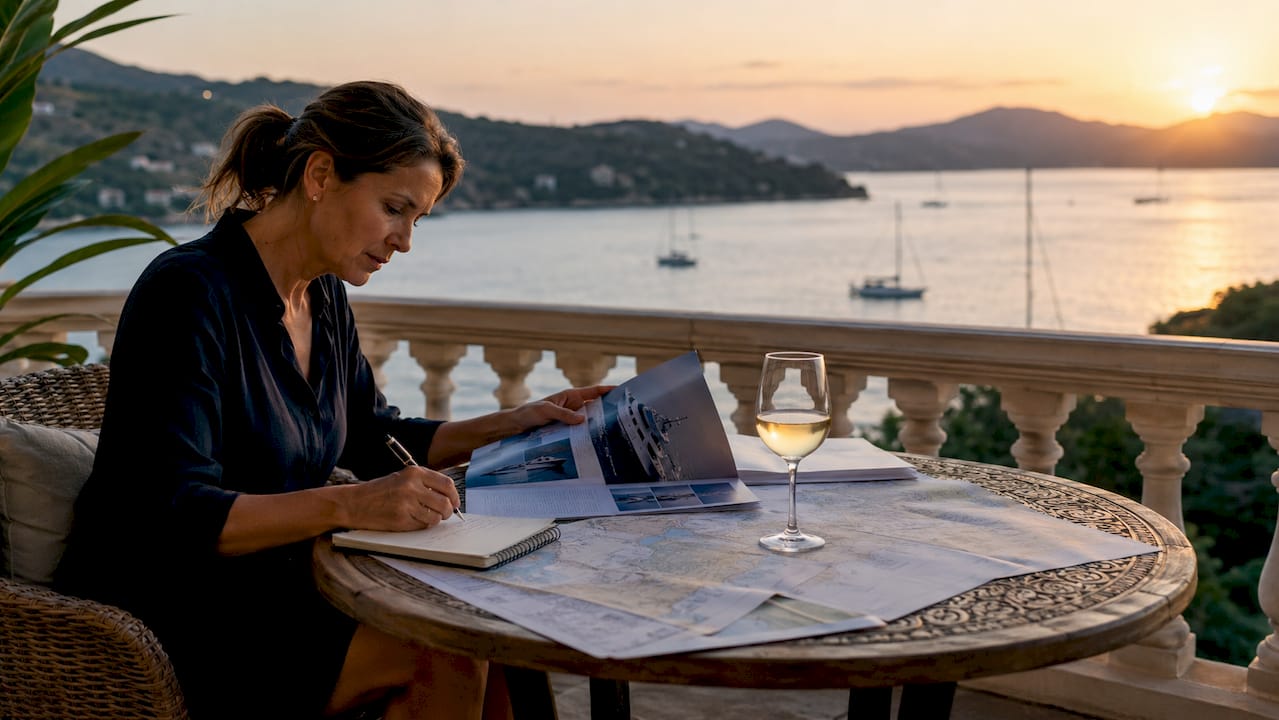
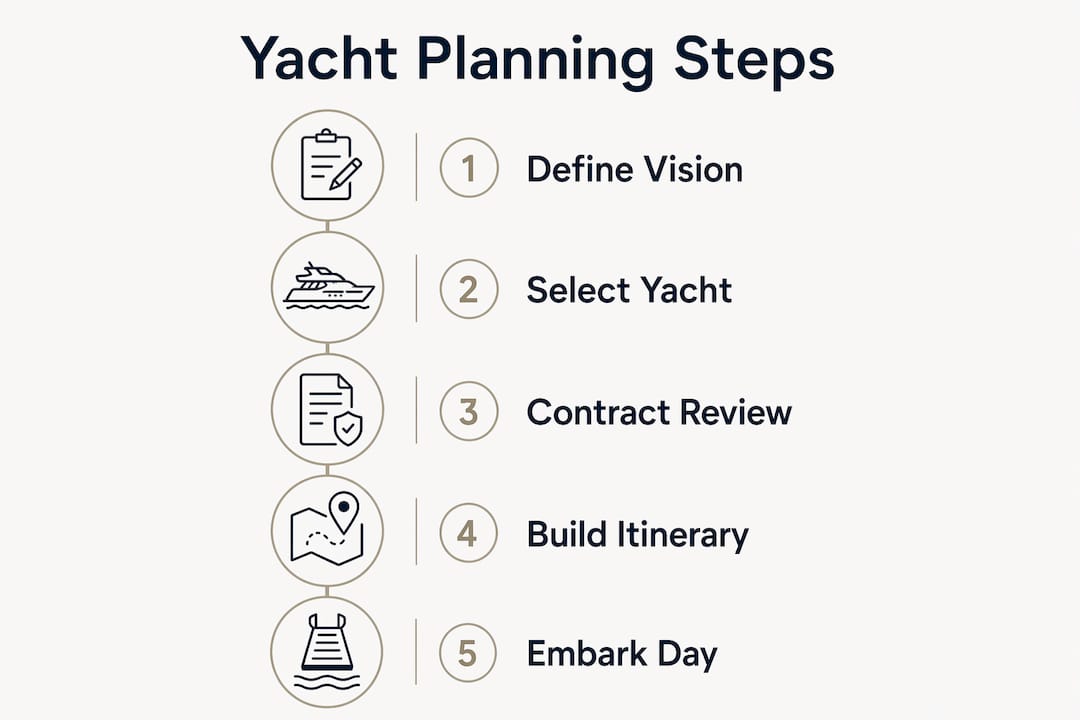
Luxury yacht charter planning is a methodical process that transforms a dream vacation into a bespoke reality by guiding you through each critical stage from vision to embarkation. The industry term for this process is “yacht charter planning,” and step by step luxury yacht tour planning is the practical framework that makes it work. Done right, it covers five distinct phases: vision definition, yacht selection, contract execution, itinerary customization, and embarkation logistics. Each phase builds on the last, and skipping any one of them creates gaps that surface mid-trip. Planning should begin 9–12 months in advance to secure sought-after vessels, especially for peak Mediterranean or Caribbean seasons.
How do you start step by step luxury yacht tour planning?
The first step in any yacht charter planning process is defining your vision with precision. Vague intentions like “a relaxing week at sea” produce generic results. Specific answers produce extraordinary ones.
Start by locking in four variables: the destination, the travel dates, the number of guests, and the overall vibe. A family of six seeking snorkeling and beach days in the British Virgin Islands requires a completely different vessel than a couple celebrating an anniversary in the Amalfi Coast. These decisions shape every choice that follows, from yacht type to crew style to menu planning.

Budget definition comes next, and it is more layered than most first-time charterers expect. Luxury yacht charter costs include a base charter fee plus an Advanced Provisioning Allowance (APA) of 25–35% of the base fee to cover fuel, food, dockage, and other operational expenses. Total weekly costs range from $20,000 to over $100,000 depending on vessel size and region. That range is wide by design. A 60-foot sailing catamaran in the Bahamas sits at the lower end; a 120-foot motor yacht in the Mediterranean sits at the upper end.
Budget Components to Plan For:
- Base charter fee (the vessel and crew cost)
- APA: typically 25–35% of the base fee
- Provisioning upgrades (premium wines, specialty foods)
- Water toys, dive equipment rentals, or excursion fees
- Crew gratuity: 15–20% of the charter fee is customary before taxes
| Cost Category | Typical Range |
|---|---|
| Base charter fee (weekly) | $20,000 to $100,000+ |
| APA | 25–35% of base fee |
| Crew gratuity | 15–20% of base fee |
| Extras and provisioning upgrades | 5–15% of base fee |
Pro Tip: Build your APA estimate at the high end of the 35% range. Guests who underestimate APA may need to provide additional funds mid-trip, which disrupts the relaxation you paid for.
How do you choose the right luxury yacht and broker?
Yacht selection is where most first-time charterers go wrong. They choose based on photos and vessel length, when the real decision drivers are cabin configuration, crew service style, and onboard amenities. Cabin layout impacts privacy and comfort more than vessel size. A well-designed 80-foot motor yacht with separated guest and crew quarters outperforms a 100-foot vessel where noise from the engine room bleeds into sleeping cabins.
The four main yacht types each serve a different charter vision:
- Motor yachts: Fast, spacious, ideal for covering long distances and hosting larger groups in comfort
- Sailing yachts: Quieter, more atmospheric, suited to guests who want an authentic sailing experience
- Catamarans: Stable, shallow-draft hulls that access secluded anchorages; excellent for families
- Expedition yachts: Built for remote destinations like Alaska, Patagonia, or the Norwegian fjords
Crew service style is a key driver of guest satisfaction. A formal, white-glove crew suits a corporate charter or anniversary celebration. A relaxed, activity-focused crew suits a family with teenagers. Discussing this preference with your broker before shortlisting vessels saves significant time.
A qualified charter broker is not optional at this level. Brokers facilitate the yacht shortlist, manage contract negotiations, coordinate customization requests, and serve as your advocate throughout the process. They know which vessels are genuinely well-maintained and which look better in photos than in person. Explore what working with a yacht broker actually delivers in terms of value and protection before you commit to going it alone.
Pro Tip: Ask your broker for the vessel’s last survey date and maintenance log. A yacht that hasn’t been surveyed in 18 months is a risk, regardless of how good the photos look.
| Yacht Type | Best For | Key Advantage |
|---|---|---|
| Motor yacht | Speed, comfort, large groups | Range and onboard space |
| Sailing yacht | Atmosphere, authenticity | Quiet, wind-powered passages |
| Catamaran | Families, shallow anchorages | Stability and draft access |
| Expedition yacht | Remote destinations | Durability and range |
What do contracts and APA actually cover?
Charter contracts are the legal foundation of your yacht vacation. Standard agreements from MYBA, CYBA, and AYCA provide legal clarity and protection for both charterers and yacht owners. These models define payment schedules, cancellation terms, liability limits, and what happens if the vessel becomes unavailable. Never sign a contract that does not follow one of these recognized frameworks.
The payment timeline follows a predictable structure. Most agreements require a 50% deposit at signing, with the remaining 50% due 4–8 weeks before the charter date. The APA is paid separately, typically 2–4 weeks before embarkation.
Key contract elements to review before signing:
- Cancellation policy and refund schedule
- Force majeure clauses covering weather or mechanical failure
- What is and is not included in the base fee
- Insurance requirements for charterers
- APA reconciliation process at the end of the trip
The APA is not a deposit. It is an operational budget held by the captain and spent on your behalf. Any unspent funds are returned to you at the end of the charter. Any overage is your responsibility to cover.
A typical planning timeline runs as follows: 8–12 weeks before departure for vision and budget definition, 4–8 weeks for securing the vessel and signing agreements, and 2–4 weeks for submitting preferences and finalizing details. Following this schedule reduces last-minute stress and keeps every party aligned.
Pro Tip: Request an itemized APA statement from the captain at the midpoint of your trip. Catching a budget shortfall on day four is far less disruptive than discovering it on the final morning.
How do you build a luxury yacht itinerary that works?
The preference sheet is the single most powerful tool in yacht vacation planning. Detailed preferences allow the crew to prepare effectively and exceed expectations before you step aboard. Think of it as the personalization blueprint for your entire trip. A well-completed preference sheet covers food allergies, dietary preferences, favorite cuisines, preferred wine and spirits, daily wake-up times, activity intensity levels, and any special occasions being celebrated.
Here is a step-by-step approach to building your luxury yacht itinerary:
- Define your anchor ports. Choose two or three must-visit locations and build the route around them.
- Balance sailing days and anchor days. Experts recommend mixing anchor days with sailing days to avoid fatigue and allow for spontaneous stops.
- Build in buffer time. Weather changes. Leave at least one unscheduled day per week for flexibility.
- Layer in activities. Snorkeling, paddleboarding, kayaking, shore excursions, and sunset cocktail hours each require advance coordination.
- Plan special events separately. Birthday dinners, anniversary celebrations, and themed evenings need advance provisioning and crew preparation.
For a practical framework on structuring your time at sea, the guide on optimizing yacht itineraries covers how to balance activity and rest with room for spontaneity.
Pro Tip: Submit your preference sheet at least three weeks before embarkation. Crews who receive it with less than two weeks’ notice cannot source specialty items or arrange complex shore excursions in time.
Over-scheduling is the most common itinerary mistake. A week that tries to visit seven ports in seven days leaves guests exhausted rather than refreshed. The best luxury yacht itineraries feel unhurried. They create space for the unexpected: a hidden cove the captain knows, a local fish market at dawn, an impromptu afternoon on a deserted beach.
What happens on embarkation day?
Embarkation day sets the tone for the entire charter. Arriving prepared and organized means you step aboard relaxed rather than frantic. The logistics are straightforward when managed in advance.
Pre-embarkation checklist:
- Passports and visas confirmed for all guests
- Travel insurance documents in hand
- Luggage packed in soft bags (rigid suitcases do not stow well aboard)
- Emergency contacts and medical information shared with the captain
- Final menu and provisioning confirmed with the broker
- Transfer from airport or hotel to the marina arranged
At the marina, the crew will greet you at the gangway, conduct a vessel orientation, and run a safety briefing covering life jackets, fire extinguishers, emergency procedures, and communication equipment. This briefing is mandatory and takes roughly 20–30 minutes. Pay attention. It is the one part of the trip that is not about enjoyment.
Day one is best kept light on sailing distance. Use the first afternoon to settle in, explore the vessel, and let the crew demonstrate what they do best. The crew management approach aboard a well-run yacht operates like a well-rehearsed ensemble: every role is defined, every preference anticipated, and every detail executed without you having to ask twice.
Pro Tip: Pack a small carry-on with essentials for the first 24 hours. If luggage transfers are delayed, you will still have everything you need to enjoy your first evening aboard.
Key takeaways
Successful luxury yacht charter planning requires a structured sequence of decisions made in the right order, from vision and budget through contracts, itinerary, and embarkation logistics.
| Point | Details |
|---|---|
| Start planning early | Book 9–12 months ahead to secure top vessels for peak Mediterranean or Caribbean seasons. |
| Budget beyond the base fee | Add 25–35% APA plus gratuity and extras to your total cost estimate from the start. |
| Choose yacht by layout, not length | Cabin configuration and crew service style drive satisfaction more than vessel size. |
| Use standard charter contracts | MYBA, CYBA, or AYCA agreements protect both parties and define all financial terms clearly. |
| Submit preferences early | A detailed preference sheet submitted three weeks out allows the crew to deliver a fully personalized experience. |
What i’ve learned after years of watching charters succeed and fail
The clients who get the most out of a luxury yacht charter are not the ones with the biggest budgets. They are the ones who communicate honestly and plan with intention.
The most common mistake I see is clients presenting an idealized version of themselves on the preference sheet. They say they want formal dinners every night and a packed activity schedule because it sounds impressive. Then by day three, they want to eat fish tacos in swimsuits and do nothing. The crew can adapt, but only if you tell them the truth upfront. Your preference sheet should reflect how you actually live on vacation, not how you imagine you might.
The second thing I would tell anyone planning a yacht getaway: trust your captain’s local knowledge more than your own research. A captain who has worked the Greek islands for ten seasons knows anchorages, restaurants, and timing that no travel blog will ever capture. Build your itinerary framework, then hand the captain room to improvise within it. That combination of structure and flexibility is where the truly memorable moments come from.
Finally, do not underestimate the value of downtime. The ocean has a way of resetting people. Some of the best charter experiences I have heard about involved nothing more than a quiet afternoon at anchor, a good book, and a cold drink. You do not need to fill every hour. The yacht is the destination.
— Jason
How Baranofyachts helps you plan and build your perfect yacht
Planning a luxury charter is one thing. Owning a vessel built precisely around your preferences is another level entirely.
Baranofyachts works with clients at every stage of the yacht ownership journey, from initial concept through custom build and delivery. Our team brings the same conductor’s eye to yacht configuration that a great captain brings to an itinerary: every detail coordinated, every preference anticipated, every system designed to work in harmony. If you are ready to move beyond chartering and into ownership, start by exploring how to configure your ideal yacht or connect with our boat brokerage team to find the right vessel for your vision.
FAQ
How far in advance should i book a luxury yacht charter?
Book 9–12 months in advance for peak season travel. Mediterranean peak season runs may through october; Caribbean peak season runs december through april.
What is the APA in a yacht charter contract?
The APA (Advanced Provisioning Allowance) is an operational budget of 25–35% of the base charter fee. It covers fuel, food, dockage, and other running costs, with any unspent balance returned to you at the end of the trip.
Do i need a charter broker to plan a luxury yacht vacation?
A broker is not legally required, but they provide access to vetted vessel shortlists, contract negotiation expertise, and ongoing support that significantly reduces planning risk and improves outcomes.
How much should i tip the yacht crew?
Crew gratuity of 15–20% of the base charter fee before taxes is the accepted standard. It is typically given to the captain at the end of the trip for distribution among the crew.
What should i include in my yacht preference sheet?
Include dietary restrictions, favorite foods and beverages, daily wake-up preferences, activity intensity levels, any special occasions, and your preferred crew service style, whether formal or relaxed. The more specific you are, the better the crew can prepare.
Recommended
Sold Listings
Design Your Yacht
"*" indicates required fields
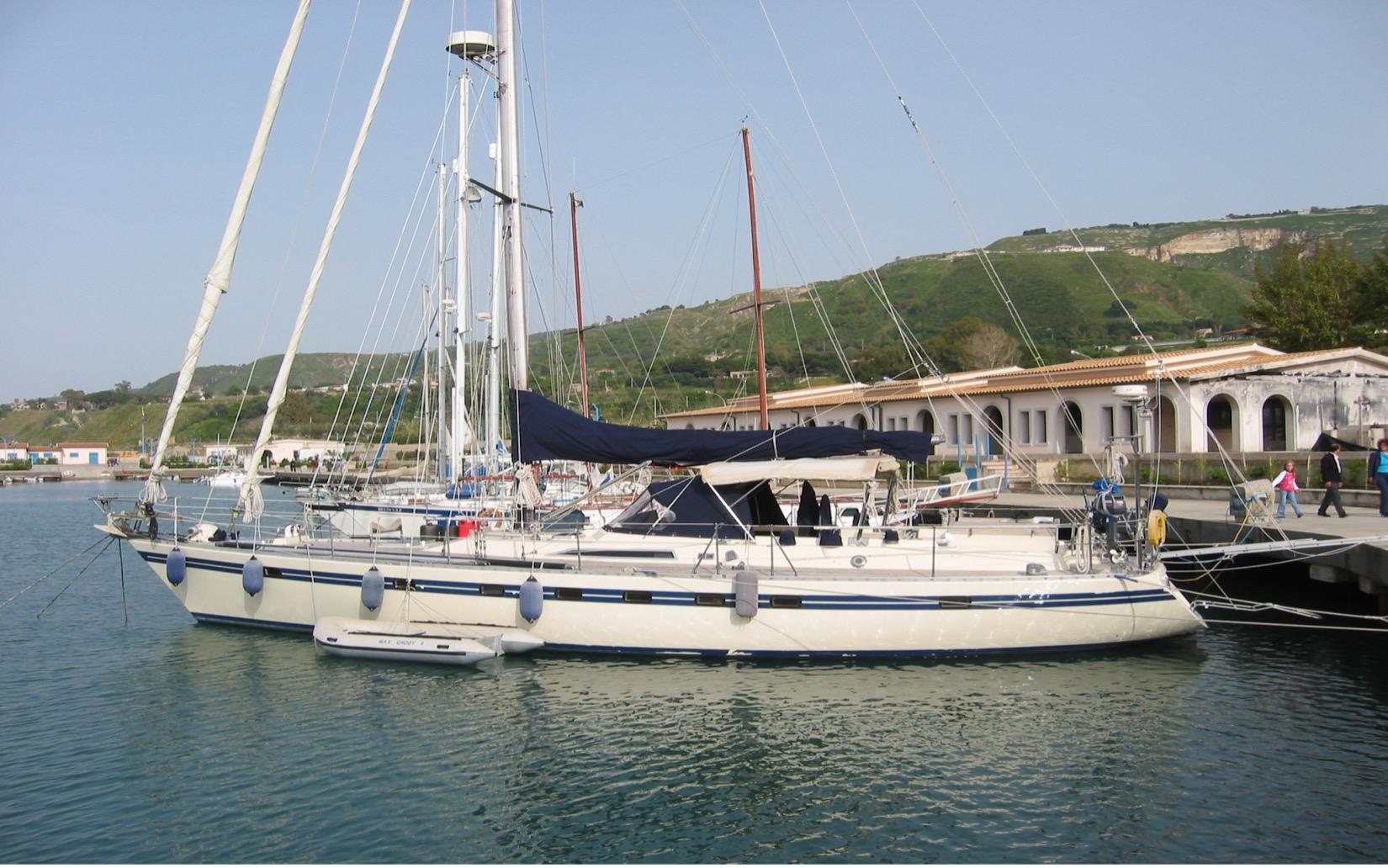
Maximus III - PNW
As you step aboard MAXIMUS III, the first impression is her scale.
At 120 feet with an 8-meter beam and 294 GT of interior volume, this 2025 Crescent Custom tri-deck immediately feels open, balanced, and estate-like. A timeless look while still feeling fresh from the shipyard.
Currently Available


Get your yacht value Estimate
"*" indicates required fields