
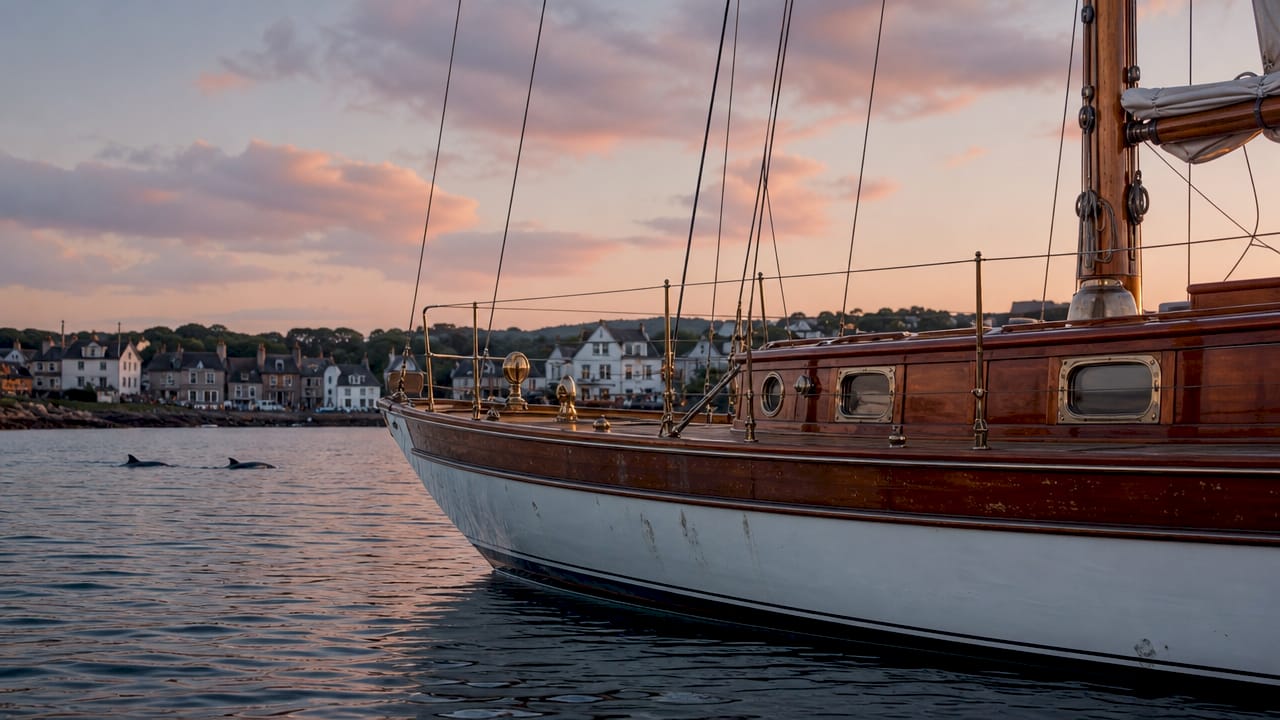
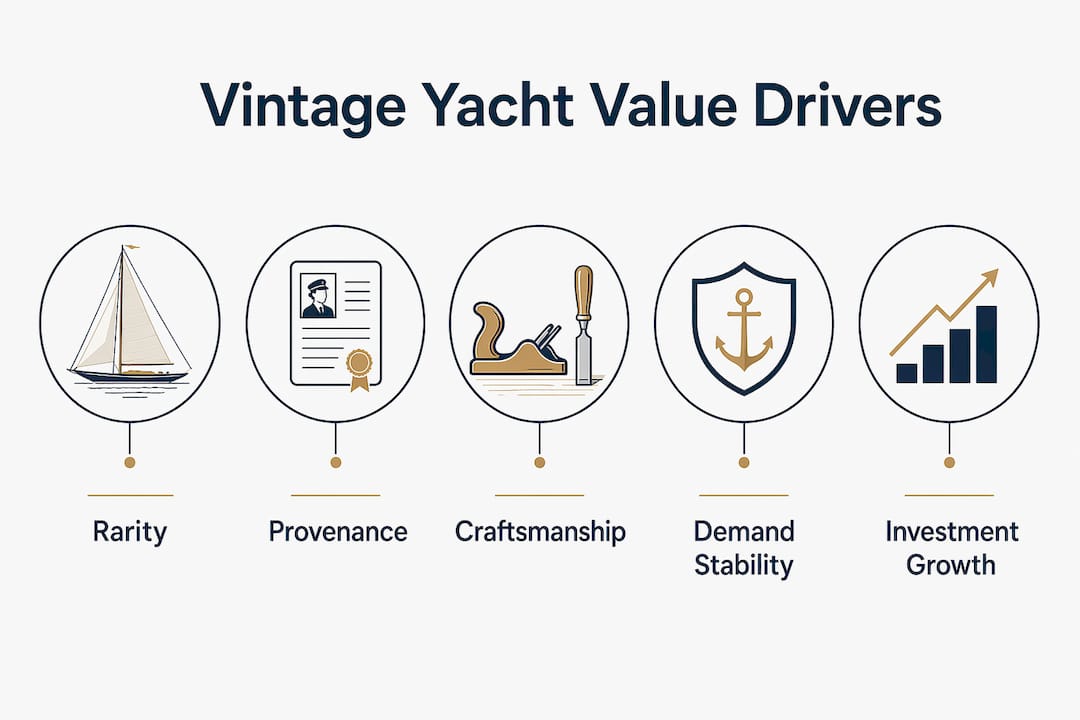
Vintage yachts are defined as collectible maritime vessels whose market value rises over time due to rarity, documented provenance, and artisanal craftsmanship. Unlike mass-produced production boats that lose value the moment they leave the shipyard, classic yachts occupy the same investment category as vintage watches and fine art. Resale values for rare yachts with strong pedigrees increased 15–25% above original build prices from 2019 to 2024, outperforming standard production models that depreciated over the same period. Understanding why vintage yachts appreciate in value requires looking at three converging forces: shrinking supply, irreplaceable heritage, and the active desire of serious collectors to own something that cannot be replicated.
Why vintage yachts appreciate in value: the rarity factor
Scarcity is the single most powerful driver of appreciation in the collectible yacht market. When a vessel class has a limited production run, every hull that survives becomes more valuable as the others are lost to age, accidents, or neglect. This mirrors the economics of classic cars and limited-edition timepieces precisely.
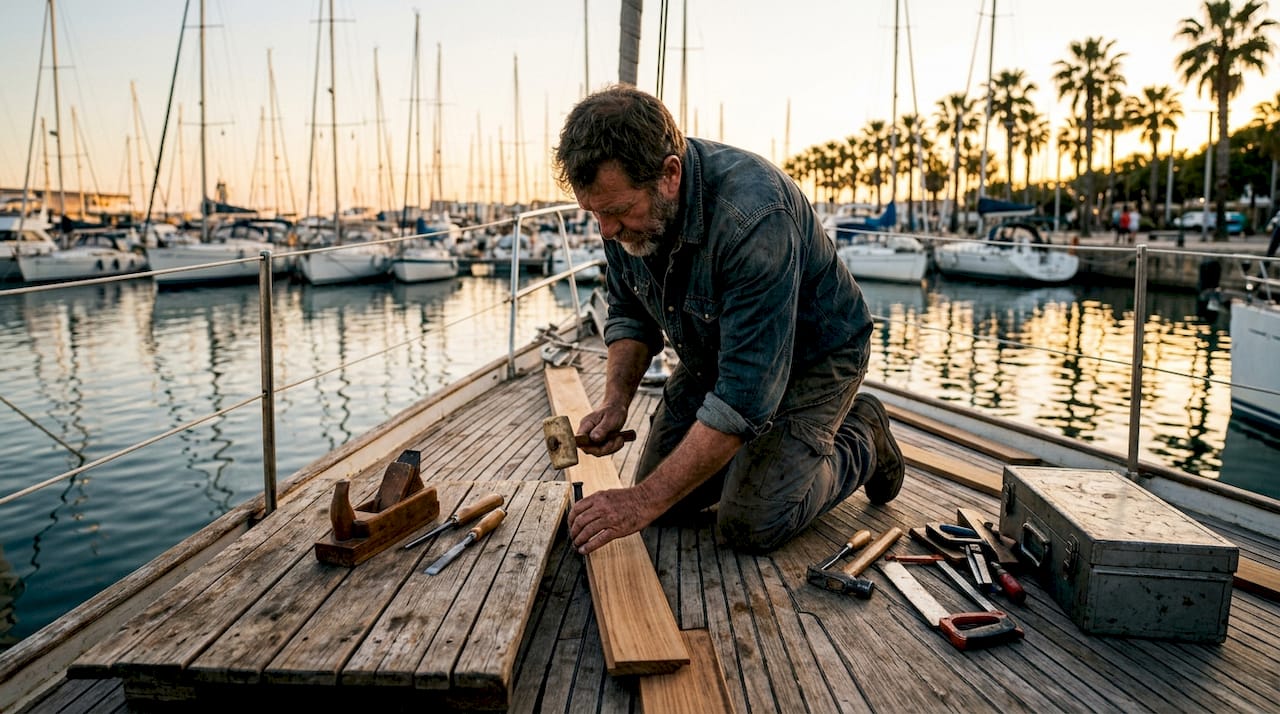
Shipyards like Feadship build a small number of custom hulls each year by design. Feadship’s custom-build approach with limited annual output creates a scarcity premium that sustains value across multiple ownership cycles. That is not accidental. It is a deliberate production philosophy that protects every owner in the chain.
The table below illustrates how production volume relates to long-term market impact:
| Production type | Annual output | Market impact |
|---|---|---|
| Custom bespoke yards (e.g., Feadship, Lürssen) | Single digits | Strong appreciation potential |
| Semi-custom luxury yards | 10–30 hulls | Moderate value retention |
| Series production builders | 100+ hulls | Typical depreciation curve |
A critical point that many first-time investors miss: builder premium raises starting price but does not slow depreciation on its own. Rarity and provenance drive appreciation. Brand name alone does not. A well-known builder producing high volumes will not generate the same resale trajectory as a yard producing five hulls per year.
- Vintage hulls lost to time reduce supply permanently, pushing surviving examples higher.
- One-off commissions from the 1950s through the 1980s are now irreplaceable by definition.
- Documented racing history or notable ownership adds a scarcity layer beyond the physical vessel.
How pedigree and craftsmanship shape long-term value
Provenance is the paper trail that turns a beautiful old boat into a trophy asset. A yacht with a documented ownership chain, original design drawings, and a known racing or charter history commands a measurable premium over an identical hull with no records. Vintage yachts are increasingly seen as cherished assets and floating legacies, with value driven by provenance, design lineage, and the prestige of maritime history.
Classic sailing yachts from renowned designers with documented racing pedigree appreciate similarly to vintage watches or classic cars, driven by historical significance. That comparison is not marketing language. It reflects how serious collectors actually price these vessels at auction and in private treaty sales.
The craftsmanship dimension matters just as much. Vintage motor yachts built before the widespread use of fiberglass often used teak over steel or aluminum frames, bronze fittings, and hand-laid joinery that modern production methods cannot reproduce economically. Vintage motor yachts often mix classical design with early materials that require dedicated maintenance but offer distinct lifestyle and valuation characteristics unavailable in contemporary builds.
Key provenance factors that collectors and brokers evaluate:
- Original design drawings and builder certificates
- Continuous survey records and classification society history
- Documented ownership chain with notable previous owners
- Racing results, regatta participation, or charter logs
- Original interior joinery and deck hardware retained through refits
Pro Tip: Before acquiring any vintage yacht, commission a full provenance audit from a certified marine historian or specialist broker. A single gap in the ownership chain can reduce a vessel’s premium by a meaningful margin at resale.
What does the financial data say about vintage yacht investment?
The numbers make a compelling case for the appreciation of classic boats as a financial asset class. Rare vessels above 40 metres can generate charter income between €150,000 and €500,000 per week during peak seasons. That income directly offsets the annual operating expenses that typically run 10–12% of the vessel’s value.
Steady demand underpins value stability with a 5% compound annual growth rate typical for quality vintage vessels, with stronger appreciation in selective premium market segments. A 5% CAGR compares favorably to many traditional asset classes, and that figure excludes the charter income and lifestyle utility that come with ownership.
The table below summarizes the key financial metrics investors should model before acquisition:
| Metric | Typical range | Notes |
|---|---|---|
| Resale value appreciation (rare, pedigreed) | 15–25% above build price | SuperYacht Times data, 2019–2024 |
| Annual operating costs | 10–15% of vessel value | Maintenance, crew, insurance, berthing |
| Charter income (vessels 40m+, peak season) | €150,000–€500,000 per week | Offset against operating costs |
| Value CAGR for quality vintage vessels | ~5% annually | Premium market segments |
| Refit cost trigger | 20–30% of vessel value | Required every 5–7 years |
The yachting market in 2026 shows continued bifurcation: mass-produced vessels depreciate on a standard curve while high-pedigree vintage examples hold or grow in value. Investors who understand this split position themselves to buy into the appreciating segment rather than the depreciating one.
Balancing lifestyle enjoyment with financial returns
Vintage yacht ownership delivers something no purely financial asset can: the ability to use it. Market value of classic yachts is fueled by authenticity and personality, attracting collectors who prioritize lifestyle and historical significance alongside financial returns. That dual utility is a genuine structural advantage over art or wine as an investment vehicle.
Access to exclusive regattas, classic yacht events like the Régates Royales in Cannes or the Voiles de Saint-Tropez, and private owner networks adds social and reputational value that does not appear on a balance sheet but absolutely influences resale demand. Buyers at the top of the market pay for the story as much as the vessel. Owning a yacht with a documented presence at major historic events is part of that story.
The practical steps for maintaining value while enjoying the vessel include:
- Scheduling annual surveys and keeping all records current and organized
- Retaining original design elements during refits rather than modernizing aggressively
- Chartering selectively to generate income without accumulating excessive wear
- Participating in recognized classic yacht events to build the vessel’s public profile
- Working with luxury boat charter specialists to position the vessel in premium charter markets
Pro Tip: Aggressive modernization during a refit often destroys the provenance premium. Retain original joinery, hardware, and deck layouts wherever structurally sound. Buyers pay for authenticity, not for a vintage hull with a contemporary interior.
Common pitfalls in vintage yacht investment and how to avoid them
The single most expensive mistake in vintage yacht investment is deferred maintenance. Skipping major refits costing 20–30% of vessel value results in market discounts greater than the cost saved. Buyers penalize deferred work heavily because they inherit the liability. The math is unambiguous: spend on the refit or lose more at sale.
High ongoing expenses of maintenance, crew, and berthing run 10–15% of vessel value annually. That figure is not negotiable for a vessel in charter-ready or show condition. Investors who underestimate this number at acquisition typically find themselves forced into a distressed sale within three to five years.
The steps below protect both value and returns over a full ownership cycle:
- Budget the full cost of ownership before acquisition. Model 10–15% of purchase price as annual operating cost, not a best-case figure.
- Schedule major refits proactively. Plan a full refit every 5–7 years and fund it as a capital reserve, not an emergency expense.
- Price realistically at resale. Well-maintained vintage yachts with realistic pricing sell well even in a softening market. Overpricing stalls a sale and ages the listing.
- Select vessels with the strongest appreciation fundamentals. Prioritize documented provenance, limited production history, and structural integrity over cosmetic appeal.
- Engage specialist brokers early. The vintage yacht market is selective. Generalist brokers rarely access the collector network where premium prices are achieved.
Pro Tip: Review the expert strategies for resale value before listing any vintage vessel. Presentation, timing, and the right buyer network can add up to 20% to the final sale price.
Key Takeaways
Vintage yachts appreciate in value because rarity, documented provenance, and artisanal craftsmanship create enduring collector demand that mass-produced vessels cannot replicate.
| Point | Details |
|---|---|
| Rarity drives appreciation | Limited production runs and vessel attrition over time permanently reduce supply, pushing values higher. |
| Provenance commands a premium | Documented ownership history, design lineage, and racing records add measurable value at resale. |
| Financial returns are real but conditional | Rare pedigreed yachts appreciated 15–25% above build price from 2019 to 2024; mass-produced models depreciated. |
| Operating costs require active management | Annual costs of 10–15% of vessel value must be modeled and funded to protect the investment. |
| Deferred maintenance destroys value | Skipping refits costs more at sale than the refit itself; proactive maintenance is the core discipline. |
Why I think the vintage yacht market rewards patience more than most investors expect
The market for classic yachts has changed significantly over the past decade, and not in the way most people assume. When I first started working closely with collectors and investors in this space, the conventional wisdom was that only sailing yachts from a handful of famous designers held their value. That view is now outdated.
What I have observed is a broadening of collector interest toward well-documented motor yachts from the 1960s through the 1980s, particularly vessels with intact original interiors and verifiable ownership chains. These are not the most glamorous entries in the market, but they are increasingly the ones generating the strongest appreciation. The reason is simple: supply is contracting faster than demand.
The caution I always share with investors is this: passion and financial discipline must operate together, not in competition. I have seen buyers fall in love with a hull and ignore a survey that flagged structural issues. The romance of ownership is real and legitimate. It should not, however, override the numbers. A yacht that costs more to maintain than it generates in charter income and appreciation is a lifestyle expense, not an investment.
The investors who perform best in this market treat their vessels the way a serious art collector treats a major acquisition: with active curation, professional management, and a long time horizon. They attend the right events, maintain the provenance record meticulously, and resist the temptation to modernize away the very qualities that make the vessel valuable. That discipline, applied consistently, is what separates the collectors who build wealth through yachts from those who simply spend it.
— Jason
How Baranofyachts supports vintage yacht collectors and investors

Baranofyachts works with collectors and investors who want to acquire vintage yachts with genuine appreciation potential, not just beautiful vessels. Our brokerage team specializes in high-pedigree listings with documented provenance, and we provide detailed guidance on yacht management strategies that protect and grow value across the ownership cycle. We also help clients understand the design and craftsmanship factors that separate appreciating assets from depreciating ones, drawing on our experience across artisan-built luxury yachts. If you are evaluating a vintage acquisition or planning a refit to maximize resale value, our team is ready to guide you from initial assessment through to transaction.
FAQ
Why do vintage yachts increase in value when new boats depreciate?
Vintage yachts increase in value because their supply shrinks over time while collector demand grows. Rarity, documented provenance, and irreplaceable craftsmanship create a fundamentally different market dynamic than mass-produced vessels.
What is the typical appreciation rate for a quality vintage yacht?
Quality vintage vessels show a compound annual growth rate of approximately 5%, with rare, pedigreed examples appreciating 15–25% above original build price over a five-year period, based on market data from 2019 to 2024.
How much does it cost to maintain a vintage yacht annually?
Annual operating costs for a vintage yacht typically run 10–15% of the vessel’s market value, covering maintenance, crew, insurance, and berthing. Major refits every 5–7 years add a further capital requirement of 20–30% of vessel value.
Does charter income offset the cost of owning a vintage yacht?
Charter income can significantly offset operating costs. Rare vessels above 40 metres generate €150,000 to €500,000 per week during peak charter seasons, which covers a substantial portion of annual expenses for well-positioned vessels.
What makes a vintage yacht a good investment versus a poor one?
The strongest investment candidates combine limited production history, complete provenance documentation, structural integrity, and realistic pricing. Vessels with deferred maintenance or missing ownership records trade at heavy discounts and rarely recover their full value potential.
Recommended
Sold Listings


Design Your Yacht
"*" indicates required fields
Maximus III - PNW
As you step aboard MAXIMUS III, the first impression is her scale.
At 120 feet with an 8-meter beam and 294 GT of interior volume, this 2025 Crescent Custom tri-deck immediately feels open, balanced, and estate-like. A timeless look while still feeling fresh from the shipyard.
Currently Available


Get your yacht value Estimate
"*" indicates required fields