
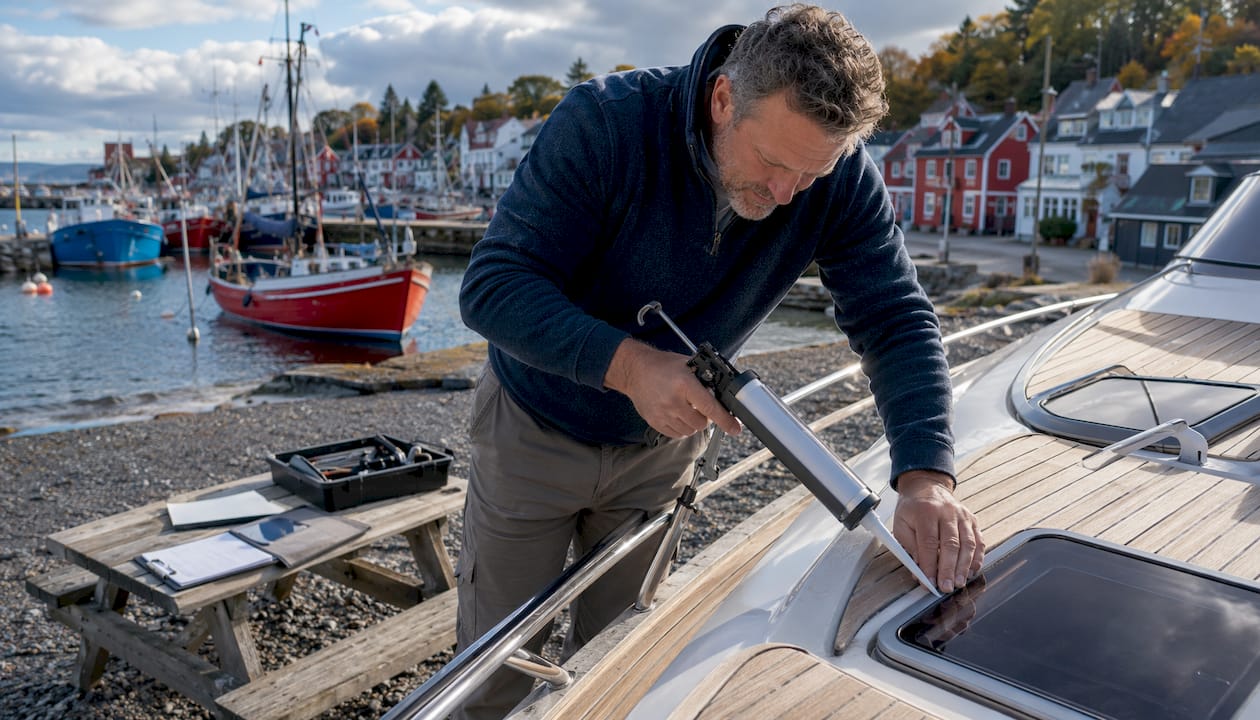
A yacht winter lay-up is a planned, systematic process of taking a vessel out of active service, protecting all major systems, and placing it in appropriate storage for the off-season. Done correctly, it preserves hull integrity, prevents corrosion and freeze damage, and keeps your policy coverage intact. Baranofyachts advises owners to treat lay-up not as a chore but as a scheduled asset-preservation event, one that directly affects resale value and long-term ownership cost.
Table of Contents
- Why does winter lay-up matter for luxury yachts in the U.S.?
- What are your main storage options for winter lay-up?
- What does a luxury yacht winter lay-up checklist look like?
- What does winter lay-up typically cost, and when should you start?
- What insurance steps are required before and during lay-up?
- When should you hire a professional instead of managing lay-up yourself?
- What questions should you ask a shipyard or project manager before lay-up?
- Key Takeaways
- Why we treat lay-up as a project milestone, not a seasonal chore
- How Baranofyachts supports your winter lay-up and reactivation
- Useful sources for owners and project managers
Why does winter lay-up matter for luxury yachts in the U.S.?
The financial case is straightforward. Months of inactivity expose engines, plumbing, and interior systems to freeze damage, humidity, and marine fouling that compound quietly and expensively. Freeze damage to an engine block can cost $4,000–$15,000; professional winterization is typically a fraction of that.
Even in mild U.S. climates like Florida’s Gulf Coast, heat and humidity drive corrosion, mildew, and system degradation when a vessel sits unattended. Hauling out and storing ashore allows hull inspection and anti-fouling maintenance that are nearly impossible to schedule during the cruising season. For owners tracking yacht value over time, a well-documented lay-up history is a tangible asset at the point of sale.
Insurers treat lay-up compliance as a policy condition. Chubb’s lay-up guidance makes clear that notifying your insurer and following their recommended procedures is standard practice for maintaining coverage. Miss that step, and a winter damage claim may be reduced or denied entirely.
What are your main storage options for winter lay-up?
Three principal approaches exist, and the right choice depends on your yacht’s systems complexity, your home port’s climate, and how much access you need during the off-season.
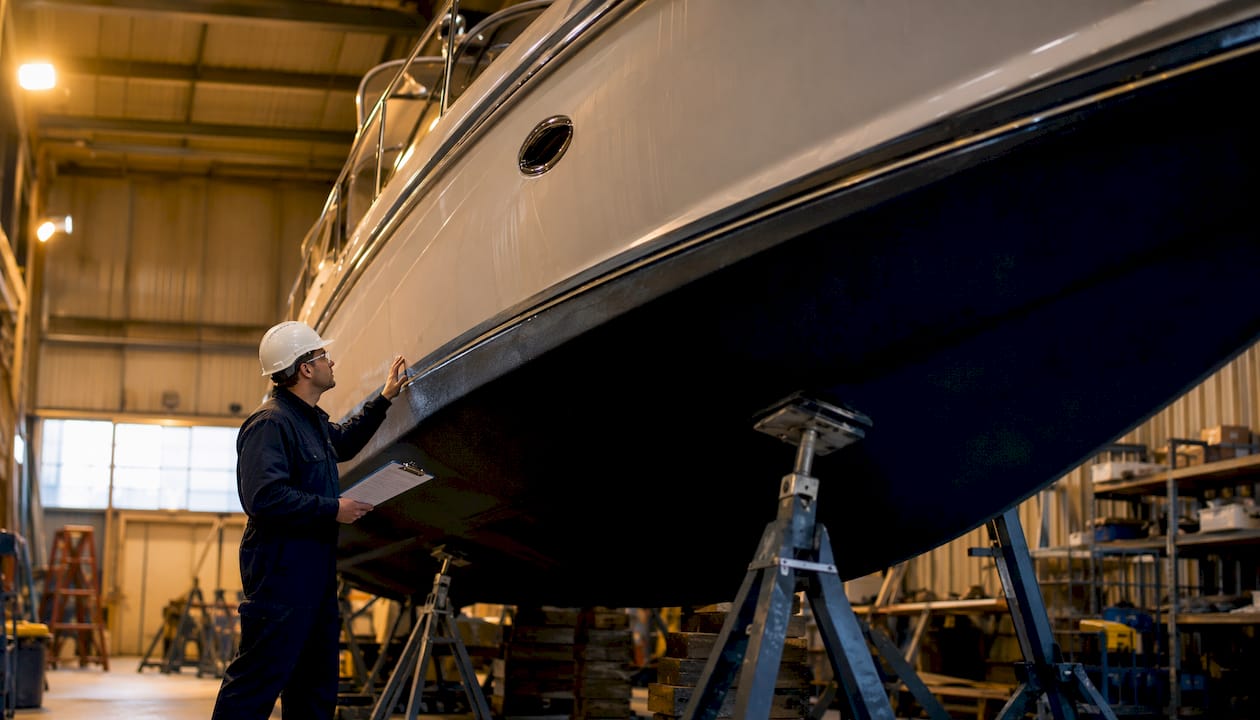
| Storage Type | Best Climate Fit | Key Advantages | Primary Risks |
|---|---|---|---|
| In-water wintering | Mild (Gulf Coast, South Florida) | Low cost, easy access, no haul-out stress | Freeze risk, fouling, limited hull inspection |
| Hardstand / cradle (outdoor) | Moderate (Mid-Atlantic, Pacific Northwest) | Hull inspection access, anti-fouling work | UV exposure, wind, temperature swings |
| Covered / heated indoor shed | Cold (Northeast, Great Lakes) | Maximum protection, no winterization of some systems, refit convenience | Higher cost, limited availability |
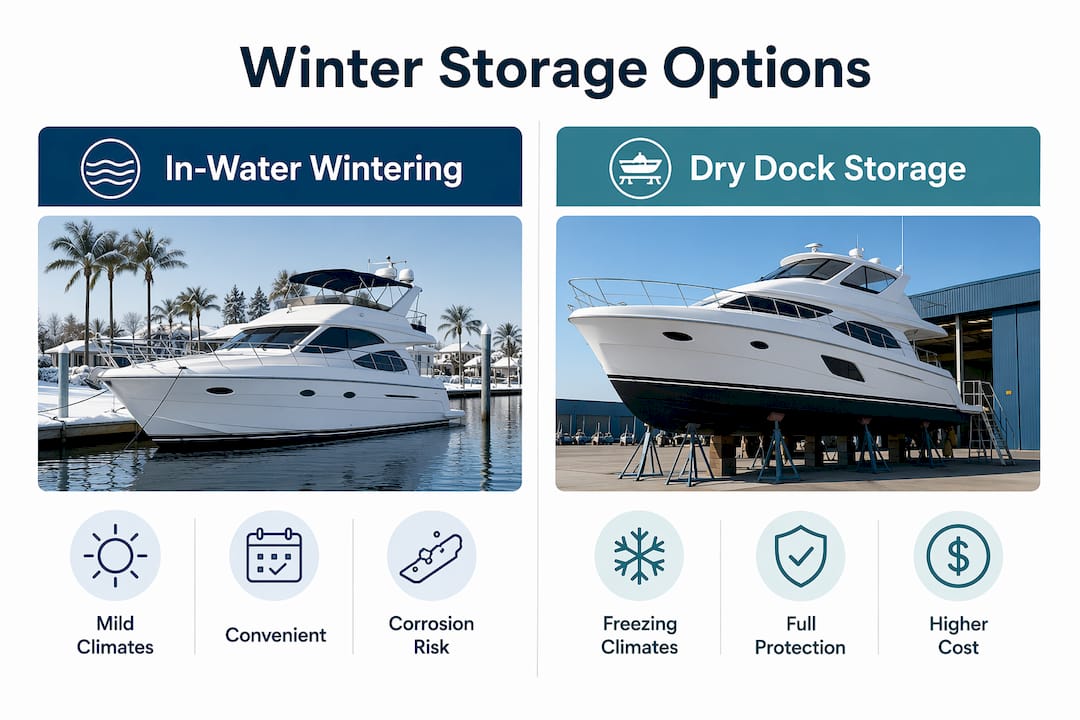
In the Northeast and Great Lakes region, freezing temperatures make dry dock storage the standard choice; leaving a vessel in the water risks cracked plumbing, damaged engines, and compromised through-hulls. The Mid-Atlantic and Pacific Northwest often favor hardstand storage with shrink-wrap covering, which balances cost and protection. Gulf Coast and South Florida owners can sometimes winter in-water with partial winterization, though even there, cold snaps and humidity make periodic inspection non-negotiable.
High-end shipyards offering covered winter sheds with precision blocking and on-site craftsmen give owners the added benefit of combining lay-up with refit or inspection work, protecting resale value while the vessel is already ashore.
What does a luxury yacht winter lay-up checklist look like?
Experienced yards treat lay-up as a scheduled maintenance window, not a simple cover-and-store exercise. Here is a numbered sequence that covers the full scope.
- Schedule haul-out and confirm yard capacity at least 6–8 weeks before your target date.
- Pre-haul inspection: photograph hull, running gear, and deck hardware at waterline.
- Haul-out and blocking: confirm the yard’s lift capacity and blocking method match your hull design. Improper stands can cause hull stress.
- Pressure wash hull immediately after haul-out while marine growth is still soft.
- Engine and generator service: change oil and filters while warm to flush acids and moisture; circulate marine-grade propylene glycol antifreeze through raw-water cooling passages.
- Fuel stabilization: top off tanks and add stabilizer to minimize air space, prevent condensation, and inhibit microbial growth in diesel systems.
- Freshwater and sanitation systems: drain tanks, pump non-toxic antifreeze through all lines and valves, and bypass water heaters.
- Electrical systems: fully charge batteries, connect trickle chargers or solar maintenance units, and clean all terminals.
- Bilge inspection and pump test: clear bilges, confirm automatic float switches function, and treat with bilge cleaner.
- Interior and upholstery: remove canvas and cushions, open lockers, and place dehumidifiers throughout the cabin. Poor ventilation is a primary cause of mold and upholstery damage during lay-up.
- Covering: apply shrink-wrap or a fitted cover with ventilation panels; never seal a vessel airtight.
- Security and documentation: photograph all completed work, retain service receipts, and file a signed work statement with the yard.
System-by-system owner brief template: When handing off to a yard, provide vessel name, LOA, engine model and hours, fuel type, battery bank configuration, and any manufacturer-specific antifreeze requirements. Note any systems under active warranty.
Spring reactivation priorities: At commissioning, inspect the hull and running gear before launch, replace raw-water impellers, test all through-hull seacocks, verify battery state of charge, and run engines at the dock before sea trial. Budget 2–4 days for a thorough post-lay-up check on a complex yacht.
Pro Tip: Pair your lay-up checklist with the yacht aftercare protocols Baranofyachts recommends — the overlap between lay-up documentation and ongoing maintenance records pays dividends at survey time.
What does winter lay-up typically cost, and when should you start?
Cost varies with yacht size, systems complexity, and storage type. For a luxury motor yacht in the 60–100-foot range, expect to budget across these components: haul-out and pressure wash, shrink-wrap or shed storage fees, professional winterization labor, parts and consumables (antifreeze, fuel stabilizer, filters, oil), and any concurrent refit work.
Begin winterization 2–4 weeks before the first hard freeze in your area. For most Northeast and Great Lakes owners, that means starting no later than mid-October. Gulf Coast owners who winter in-water should still complete partial winterization before extended periods of inactivity.
Book your haul-out slot 6–8 weeks in advance. Premium covered sheds fill quickly, particularly in New England and the Great Lakes, where demand peaks in September. Lay-up storage contracts typically run from mid-September through mid-April, though exact dates vary by yard.
Pro Tip: Scheduling refit work during lay-up, rather than as a separate haul-out, consolidates yard fees and reduces total cost. A conductor’s-eye view of the full winter schedule, planned before haul-out, prevents costly last-minute additions.
What insurance steps are required before and during lay-up?
Notify your insurer before the vessel moves to its lay-up location. This is not optional. Chubb’s lay-up guidance and standard marine policy language require owners to confirm storage location, loss-prevention measures, and professional oversight. Failure to notify can reduce or void coverage for off-season damage.
Key items to confirm with your insurer:
- Storage location and type (in-water, hardstand, or indoor shed)
- Professional winterization confirmation and who performed it
- Security measures at the storage facility (fencing, lighting, access control)
- Periodic inspection schedule during lay-up (monthly is a common insurer requirement)
- Coverage limits during lay-up and whether navigation coverage is suspended
Documented winterization records — photographs, service receipts, and signed work statements — materially improve claim outcomes if damage occurs. Keep these in a dedicated vessel file, both physically and digitally. For a deeper look at how insurance fits into total ownership cost, the yacht insurance investment guide from Baranofyachts covers policy structure and lay-up conditions in detail.
Pro Tip: Request a written lay-up endorsement or confirmation letter from your insurer each season. It takes one email and removes ambiguity if a claim arises in February.
When should you hire a professional instead of managing lay-up yourself?
Small, outboard-powered vessels with simple systems can often be winterized by a knowledgeable owner. Complex yachts with EFI engines, integrated HVAC, generator sets, watermakers, and advanced electronics require professional oversight. The risk of DIY on a vessel of this caliber is not inconvenience — it is voided warranties, missed manufacturer procedures, and damage that an insurer may refuse to cover.
Decision factors that point toward professional management:
- Manufacturer warranty requires certified service for seasonal procedures
- Your insurer specifies professional winterization as a policy condition
- The vessel has integrated systems (watermaker, stabilizers, bow thrusters) requiring specialized tools
- You lack reliable on-site access for mid-winter inspections
- Refit or repair work is planned concurrently
The cost of professional oversight is predictable. The cost of a missed step is not.
What questions should you ask a shipyard or project manager before lay-up?
Vetting a yard before you commit protects both the vessel and your insurance position.
- What is your maximum lift capacity, and have you handled vessels of this LOA and displacement before?
- What blocking method do you use, and how is ground preparation managed for heavy vessels?
- Do you offer covered shed storage, and what are the ventilation provisions?
- How is pest control managed inside the shed?
- Is shore power available for battery maintenance chargers?
- Who is on-site for security, and what are the access protocols for owner inspections?
- Can you provide references from owners of comparable vessels?
- What reactivation services are included, and what is the spring commissioning timeline?
Vendor documents to request before signing:
- Certificate of insurance (yard’s liability coverage)
- Haul-out method statement and equipment maintenance records
- Staff qualifications for winterization of your specific engine and systems
- Written cold-weather procedures and emergency contact protocol
Ask specifically who signs off on system winterization and whether a written completion report is provided. A yard that cannot answer these questions clearly is a yard to avoid.
Key Takeaways
A yacht winter lay-up is a planned, system-level preservation event that protects hull integrity, prevents freeze and corrosion damage, and keeps insurance coverage intact throughout the off-season.
| Point | Details |
|---|---|
| Lay-up preserves value and reduces risk | Freeze damage to an engine block can cost $4,000–$15,000; professional winterization prevents that at a fraction of the cost. |
| Match storage type to climate | Northeast and Great Lakes owners need covered or hardstand storage; Gulf Coast owners may winter in-water with partial winterization. |
| Document everything and notify your insurer | Photographs, service receipts, and signed work statements materially improve claim outcomes and satisfy policy conditions. |
| Start 2–4 weeks before the first freeze | Book haul-out 6–8 weeks ahead; premium covered sheds fill quickly in September across New England and the Great Lakes. |
| Baranofyachts supports lay-up planning | Baranofyachts provides project management, owner-brief templates, and shipyard coordination to protect your vessel through every off-season. |
Why we treat lay-up as a project milestone, not a seasonal chore
Most owners think of lay-up as the end of the season. We think of it as the beginning of the next one.
Every lay-up we coordinate at Baranofyachts follows the same project logic we apply to a new build or refit: a defined scope, a vetted vendor, a documented outcome. The owner brief goes to the yard before haul-out. The completion report comes back before we close the file. That discipline is what separates a vessel that comes out of winter in survey condition from one that needs three weeks of remedial work before it can sail.
What we consistently observe is that owners who treat lay-up as a project milestone spend less on spring commissioning, carry stronger documentation for their insurer, and present a more compelling vessel history at the point of sale. The off-season is not downtime. It is protected time.
How Baranofyachts supports your winter lay-up and reactivation
When you work with Baranofyachts, lay-up coordination is part of the ownership support we provide alongside brokerage, new-build oversight, and refit project management. We help you select the right yard, prepare the owner brief, confirm insurer requirements, and schedule spring commissioning so nothing falls through the cracks between October and April.

Owners who request a consultation receive a complimentary lay-up strategy review, including a customizable owner-brief template you can hand directly to your shipyard. To get started, prepare your vessel’s LOA, engine specifications, insurance policy details, and any preferred yards. Our project oversight team handles the coordination from there. For owners considering a sale or acquisition concurrent with lay-up, our brokerage services integrate seamlessly with the lay-up timeline. Request your consultation at baranofyachts.com.
Useful sources for owners and project managers
These U.S.-focused and internationally recognized resources provide technical depth for owner briefs and insurer conversations.
- Chubb: Going into Lay-Up — The most widely cited marine insurer lay-up guide in the U.S. market; use it to confirm notification requirements and policy conditions with your own insurer.
- YATCO: Yacht Storage Guide — Covers storage type selection, climate considerations, and winterization fundamentals from a yacht-industry perspective.
- RepairYachts: Winterization Checklist — Step-by-step system-level procedures including engine, fuel, freshwater, and electrical tasks with timing guidance.
- Yacht Service VIP: Fall Winterization Guide — Climate-zone-specific scheduling and a task-time reference table useful for briefing yards and planning labor costs.
- Practical Boat Owner: Expert Lay-Up Tips — Covers interior moisture control, fuel tank management, and ventilation planning with shipyard-sourced guidance.
Use these references when composing your owner brief and when confirming lay-up conditions with your insurer. Primary sources carry more weight in a coverage dispute than any secondhand summary.
This article provides general information for planning purposes. Confirm current policy conditions with your marine insurer and consult a qualified marine surveyor or shipyard for procedures specific to your vessel.
Recommended
Sold Listings


Design Your Yacht
"*" indicates required fields
Maximus III - PNW
As you step aboard MAXIMUS III, the first impression is her scale.
At 120 feet with an 8-meter beam and 294 GT of interior volume, this 2025 Crescent Custom tri-deck immediately feels open, balanced, and estate-like. A timeless look while still feeling fresh from the shipyard.
Currently Available


Get your yacht value Estimate
"*" indicates required fields