

A yacht is defined as a privately owned recreational vessel ranging from 30 feet to well over 300 feet, with purchase prices that span from roughly $130,000 for entry-level models to more than $100 million for custom mega yachts. Understanding how much does a yacht cost requires looking beyond the sticker price. Maintenance, docking, fuel, insurance, and crew expenses add tens of thousands of dollars each year. This guide breaks down every layer of that cost, using 2026 market data, so you can budget with confidence before you commit.
How much does a yacht cost to buy?
Yacht purchase price is determined primarily by length, with size being the single most reliable predictor of what you will pay. Entry-level yachts in the 30–60 foot range run from approximately $126,000 to over $4 million depending on model and features. The average new small motor yacht sits around $1.1 million, while comparable sailboats average closer to $680,000. That gap reflects the mechanical complexity of motor yachts versus the simpler drivetrain of a sailing vessel.
Move into the mid-size category and costs climb sharply. New mid-size motor yachts in the 60–80 foot range average $4.5 million, and large yachts between 80 and 120 feet can range from $3.3 million to $29 million. Sailing yachts in that same large category tend to price somewhat lower, but the gap narrows as custom features accumulate.
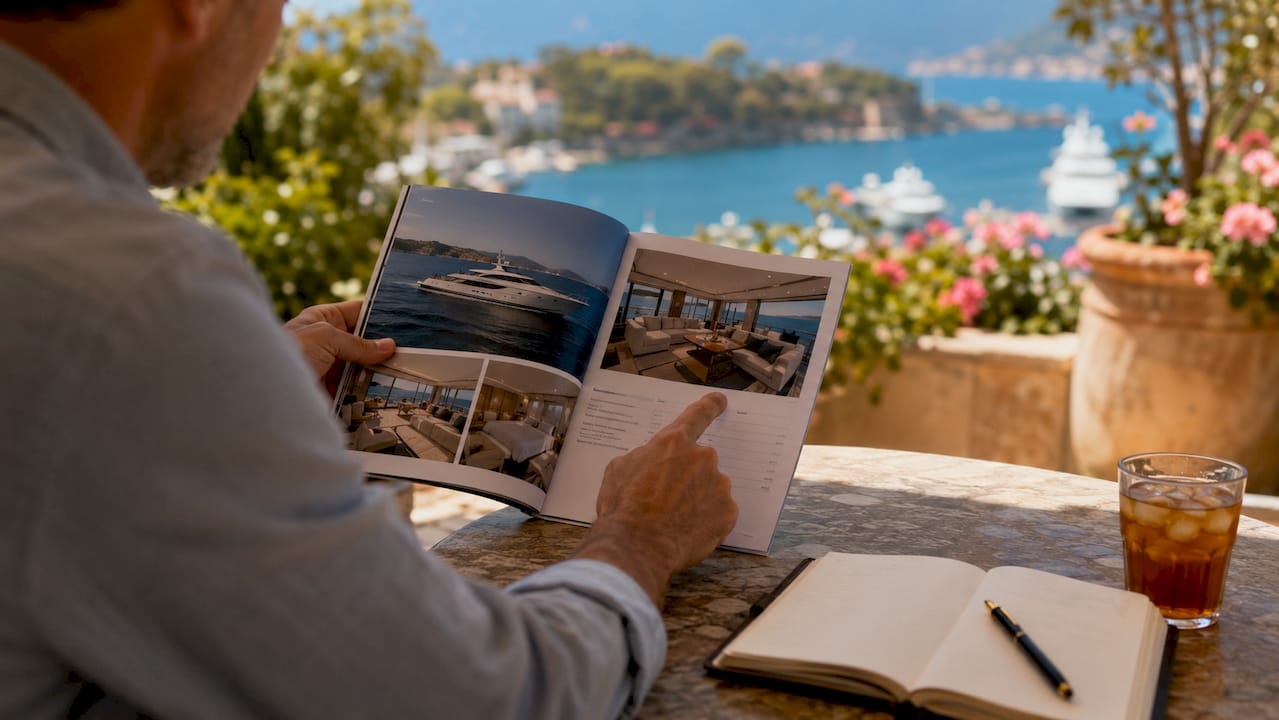
The table below gives you a clear reference for average yacht price by size category.
| Size Category | Length | Typical Price Range |
|---|---|---|
| Small Motor Yacht | 30–60 ft | $126,000–$4 million |
| Small Sailboat | 30–60 ft | $130,000–$2 million |
| Mid-Size Motor Yacht | 60–80 ft | $3 million–$6 million |
| Large Yacht | 80–120 ft | $3.3 million–$29 million |
| Superyacht | 120 ft+ | $10 million–$100 million+ |
Pro Tip: New yacht prices for 35–50 foot models in European yards are quoted in euros, typically ranging from €200,000 to €1.2 million. Currency fluctuation can shift your effective cost by 5–10% between contract signing and delivery, so lock in exchange rates early if you are buying from a foreign builder.
Beyond size, customization and options typically add 15–30% to the base price of a new build. VAT in European jurisdictions adds another layer on top of that. A yacht quoted at €800,000 can easily land above €1.1 million once you factor in navigation electronics, interior finishes, and tax. Understanding the full build specification before signing any contract is non-negotiable.
Builder reputation also shapes price significantly. Yards like Feadship, Lürssen, and Benetti command premiums that reflect decades of engineering pedigree and resale value retention. Choosing a reputable yacht manufacturer is not just a quality decision. It is a financial one.
What are the ongoing costs of owning a yacht?
The purchase price is the beginning of the financial commitment, not the end. Owners consistently report that annual operating costs include $20,000–$35,000 for maintenance, around $20,000 for docking, approximately $4,000 for insurance, and $6,000–$8,000 for fuel on a mid-size vessel. Those figures represent a realistic baseline for a well-maintained yacht in the 50–70 foot range. They do not include unexpected repairs, which can be substantial.
Here is a breakdown of the primary recurring cost categories every prospective owner should plan for:
- Maintenance and repairs: Hull cleaning, antifouling paint, engine servicing, and systems upgrades typically run $20,000–$35,000 per year for mid-size yachts. Older vessels require more frequent attention and can spike well above that range.
- Docking and mooring: Marina berths in premium locations such as Monaco, Miami Beach, or Newport cost $15,000–$25,000 annually for a 60-foot vessel. Rates vary sharply by geography and season.
- Fuel: A mid-size motor yacht burning diesel at cruising speed consumes roughly 20–40 gallons per hour. At current fuel prices, a two-week cruise can cost $3,000–$6,000 in fuel alone.
- Insurance: Basic marine insurance for a $1 million yacht runs approximately $4,000 per year. Premiums rise with vessel value, cruising range, and the owner’s experience level.
- Crew: Larger yachts require professional crew. A captain alone can cost $80,000–$120,000 annually. A full crew for a superyacht pushes
well into six figures each year.
Pro Tip: Budget 10% of the yacht’s purchase price annually for total operating costs as a conservative planning rule. On a $1 million yacht, that means setting aside $100,000 per year. Many owners underestimate this figure and find themselves cash-constrained within the first two seasons.
The full picture of yacht ownership includes costs that do not appear on any invoice until something goes wrong. Watermaker failures, generator replacements, and structural repairs on older hulls can each run $10,000–$50,000 per incident. Reserve funds are not optional. They are part of responsible ownership planning.
New vs. used yachts: which costs less overall?
The used yacht market offers real savings on the purchase price, but those savings come with trade-offs that affect your total cost of ownership over time. Secondhand yacht prices are generally 25–60% lower than new builds depending on age and condition. Volume production yachts retain roughly 40–50% of their value after 10 or more years. That depreciation curve works in a buyer’s favor at purchase but signals higher maintenance exposure ahead.
| Factor | New Yacht | Used Yacht |
|---|---|---|
| Purchase Price | Full market rate | 25–60% below new |
| Warranty Coverage | Full builder warranty | Limited or none |
| Customization | Full specification control | Fixed as-built configuration |
| Maintenance Risk | Low in early years | Higher, especially 10+ years old |
| Depreciation Hit | Steepest in first 3–5 years | Already absorbed by prior owner |
| Technology | Current systems and electronics | May require costly upgrades |
Buying new gives you warranty protection, the latest navigation and propulsion systems, and the ability to specify every detail from hull color to galley layout. That last point matters more than most buyers realize. A yacht built to your exact use case will serve you better and cost less to operate than a used vessel you are constantly adapting.
Buying used makes sense when the vessel has been well-maintained, recently surveyed, and priced to reflect its true condition. A professional marine survey is mandatory before any used purchase. Survey costs run $1,500–$3,500 but can save you from a six-figure mistake. The yacht financing options available for used vessels are also somewhat more limited than for new builds, which affects your leverage as a buyer.
One market dynamic worth noting: prices for yachts under 60 feet have softened by approximately 10–15% since 2022–2023 due to increased inventory. That correction creates genuine buying opportunities in the used market for buyers who move decisively and negotiate well.
What do superyachts and custom builds actually cost?
Superyachts are defined as vessels exceeding 24 meters (approximately 79 feet) in length, with the superyacht price typically starting around $10 million and scaling rapidly from there. A 50-meter superyacht is typically valued at $30 million. Gigayachts, those exceeding 90 meters, routinely exceed $200 million when fully specified. The World Superyacht Awards annually recognizes vessels that represent the pinnacle of this category, and the winning entries reflect just how far custom engineering can push both capability and cost.
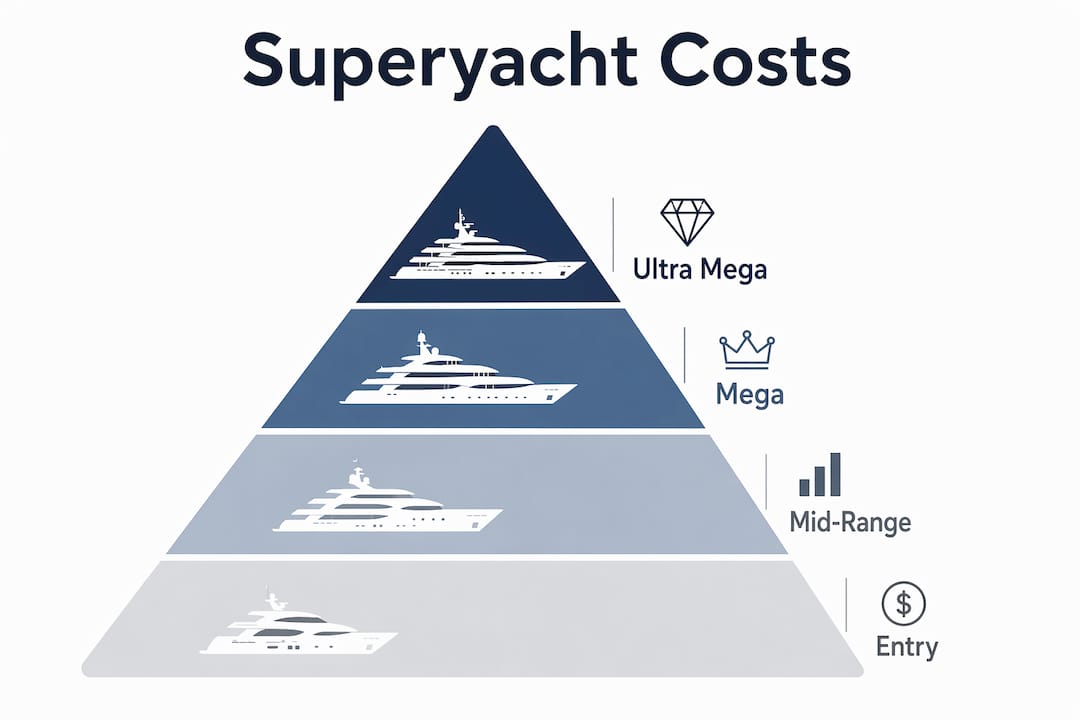
| Superyacht Category | Length | Typical Price Range |
|---|---|---|
| Entry Superyacht | 24–40 m | $10 million–$20 million |
| Mid-Range Superyacht | 40–60 m | $20 million–$60 million |
| Large Superyacht | 60–90 m | $60 million–$150 million |
| Gigayacht | 90 m+ | $150 million–$500 million+ |
The mega yacht price is not just about size. Bespoke engineering, custom naval architecture, and proprietary propulsion systems all compound the base cost. Customization alone can represent 15–30% of the final build price, as noted earlier. For a $50 million vessel, that means $7.5 million to $15 million in specification-driven additions above the base hull price.
Annual operating costs for superyachts scale accordingly. Fuel, crew, insurance, and specialized maintenance for a 50-meter vessel typically run $3 million–$5 million per year. Large custom-built superyachts maintain stable demand and pricing despite corrections in smaller yacht segments. Elite shipyards operate at near-full capacity, and lead times of three to five years are common for bespoke builds. If you are considering this category, understanding what defines a superyacht in terms of classification, regulation, and operational requirements is the right starting point.
Key takeaways
The total cost of a yacht is the sum of its purchase price, annual operating expenses, and the hidden costs that only experienced owners anticipate.
| Point | Details |
|---|---|
| Purchase price varies by size | Yachts range from $130,000 for small models to over $100 million for custom superyachts. |
| Annual costs are substantial | Budget $50,000–$100,000+ per year for a mid-size yacht covering maintenance, docking, fuel, and insurance. |
| Used yachts offer savings with risk | Secondhand prices run 25–60% below new, but older vessels carry higher maintenance exposure. |
| Customization adds 15–30% | Options, finishes, and VAT can push a new build’s final price well above its base quote. |
| Superyacht costs scale sharply | A 50-meter superyacht costs around $30 million to buy and $3–5 million per year to operate. |
What i’ve learned about budgeting for a yacht
The most common mistake I see prospective buyers make is treating the purchase price as the primary financial decision. It is not. The purchase price is a one-time event. The operating costs are permanent. I have worked with buyers who stretched their budget to acquire a beautiful 70-foot motor yacht, only to find themselves unable to use it because the annual costs exceeded what they had planned for.
The second mistake is underestimating the cost of deferred maintenance on used vessels. A yacht that looks pristine at survey can carry $200,000 in deferred work on its engines, electrical systems, and hull. Always commission a full marine survey from an independent surveyor with no relationship to the seller.
My honest advice: before you finalize any purchase, build a five-year ownership cost model. Include a 15% annual contingency for unexpected repairs. If the total five-year cost fits your financial plan, proceed. If it does not, consider whether negotiating the yacht price or adjusting your size target makes more sense than overextending. The best yacht is the one you can afford to use, maintain, and enjoy without financial stress.
— Jason
Plan your yacht purchase with Baranofyachts
Knowing the numbers is the first step. Translating them into the right vessel for your life is where Baranofyachts comes in. We specialize in custom builds, brokerage, and project management for buyers who want a yacht built to their exact specification, not a compromise pulled from existing inventory.
Whether you are considering a 50-foot motor yacht or a fully bespoke superyacht, our team walks you through every cost layer before you commit. Start by exploring your options on our yacht configuration page, where you can define your size, style, and specification preferences. If you want to understand the full financial picture before building, our guide on yacht financing strategies covers every structure from marine mortgages to charter offset programs. Reach out to our team directly and we will match your budget to the right build path.
FAQ
What is the average cost of a yacht?
The average yacht price depends heavily on size and type. Small motor yachts average around $1.1 million new, while mid-size motor yachts in the 60–80 foot range average $4.5 million.
How much does it cost to own a yacht per year?
Annual operating costs for a mid-size yacht typically run $50,000–$100,000, covering maintenance, docking, fuel, and insurance. Larger yachts and superyachts can cost $3 million or more per year to operate.
Are used yachts significantly cheaper than new ones?
Used yacht prices are generally 25–60% lower than comparable new builds. However, older vessels carry higher maintenance risk, and a professional marine survey is mandatory before purchase.
What is the cost to charter a yacht instead of buying?
Yacht charter prices for a crewed mid-size vessel typically run $10,000–$50,000 per week depending on size and destination. Chartering removes ownership costs entirely and is a practical way to assess whether full ownership fits your lifestyle.
How much does a superyacht cost to buy and operate?
Superyacht prices start around $10 million for entry-level vessels and exceed $100 million for large custom builds. Annual operating costs for a 50-meter superyacht run $3 million–$5 million, including crew, fuel, and specialized maintenance.
Recommended
Sold Listings
Design Your Yacht
"*" indicates required fields
Maximus III - PNW
As you step aboard MAXIMUS III, the first impression is her scale.
At 120 feet with an 8-meter beam and 294 GT of interior volume, this 2025 Crescent Custom tri-deck immediately feels open, balanced, and estate-like. A timeless look while still feeling fresh from the shipyard.
Currently Available


Get your yacht value Estimate
"*" indicates required fields