

A yacht sale closes when the buyer has clear funds sitting in escrow and both parties have signed a bill of sale transferring title. That single moment is the finish line, but it only arrives after survey acceptance, a lien search, and a documentation agent confirms the vessel is free to change hands. Everyone at the table, from broker to escrow agent, is really working toward that one handshake.
TL;DR:
- A yacht sale finalizes when funds are in escrow, both parties sign the bill of sale, and the vessel passes survey and lien checks.
- The completion meeting involves inspecting the vessel against a punch list, verifying repairs, and collecting manuals and inventory before signing the Acceptance of Vessel.
- Survey and sea trial results can delay or condition the closing; most deals are resolved with repair credits or escrow holdbacks rather than postponements.
- Funds must be wired early into a separate escrow account and only released after clear title verification and signed documentation.
- Proper documentation, including bill of sale, registration, lien releases, and proof of insurance, is essential for a smooth title transfer and finalization.
Table of Contents
- What Happens at the Completion Meeting Onboard?
- How Do Survey and Sea Trial Results Affect Closing?
- How Does Escrow and the Funds Transfer Work?
- What Documents Are Required to Transfer Title?
- Do You Need New Insurance and Tax Paperwork at Closing?
- What’s the Closing-Day Timeline and Checklist?
- What Happens After Closing?
- How Baranof Approaches Closing Risk
- Let Baranof Manage Your Closing From Contract to Keys
- Sources
- FAQ
What Happens at the Completion Meeting Onboard?
The completion meeting is where paper promises become a physical handover. It typically brings together the buyer or their representative, the seller or their representative, the listing and selling brokers, the surveyor if final items need confirming, and the documentation agent handling title work.
Attendees walk the boat against a punch list built from the survey report, checking that agreed repairs are finished, systems fire up correctly, and all manuals, keys, and spares are aboard. That inspection typically covers:
- Engine start and system checks against the survey findings
- Confirmation that agreed repairs or replacements are complete
- Inventory of manuals, keys, remotes, and spare parts
- Fuel and provisioning levels against what the purchase agreement specifies
Once satisfied, both sides sign the Acceptance of Vessel, sometimes called the Protocol of Delivery and Acceptance. This document locks in the boat’s condition at handover and closes the door on future condition disputes. If something is missing or broken, acceptance can be made conditional, tied to a repair credit or an escrow holdback until the item is fixed.
How Do Survey and Sea Trial Results Affect Closing?
Survey and sea trial outcomes decide whether a closing proceeds on schedule or gets pushed back. A marine surveyor inspects the hull, rigging, electronics, and mechanical systems, while the sea trial confirms the engine, steering, and handling perform as represented under real operating conditions, guided by practical principles like those in Four Step Nearshore Wave Planning for Skippers.
Results generally fall into three categories:
- Clean acceptance — no material issues found, and the deal moves straight to closing.
- Conditional acceptance — the buyer accepts the vessel contingent on specific repairs, credits, or a documented escrow holdback covering the repair cost.
- Rejection — significant undisclosed defects give the buyer grounds to walk away under the purchase agreement’s contingency clause.
Most transactions land in the middle category. A common fix is a dollar-for-dollar credit at closing rather than delaying the sale for repairs, with the Yacht Purchase and Sale Agreement spelling out exactly how “as is” versus warranted conditions are handled. Every repair item, credit, or holdback should be documented in writing before signatures happen, not promised verbally on the dock.
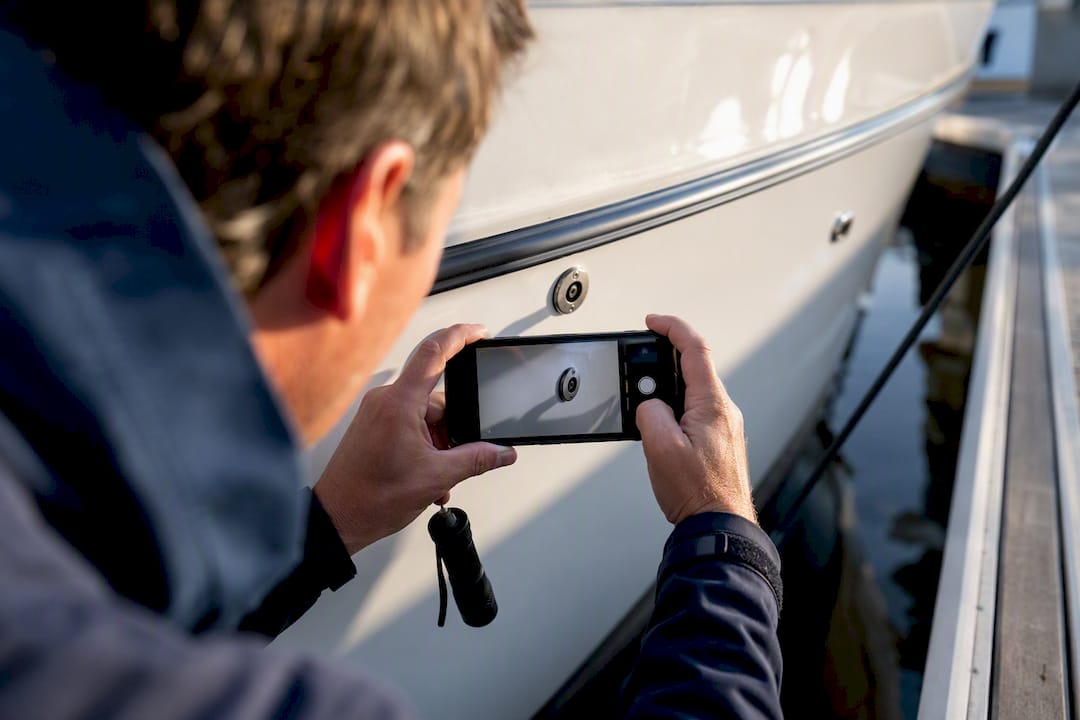
Pro Tip: Photograph every discrepancy the surveyor flags before you leave the boat that day. A dated photo attached to the survey report ends more escrow disputes than any follow-up email ever will.
How Does Escrow and the Funds Transfer Work?
Deposit and closing funds don’t go to the seller directly. They go to a neutral stakeholder, usually the listing broker’s escrow account or a dedicated marine escrow service, who holds the money until every closing condition is satisfied.
The Yacht Brokers Association of America requires member brokers to keep client deposits in a trust account that’s completely separate from the brokerage’s operating funds, under strict fiduciary duty. That separation protects a buyer’s deposit even if the brokerage itself runs into financial trouble.
Timing matters as much as the mechanism. Best practice calls for:
- Wiring final funds into escrow well in advance before the scheduled closing
- Confirming the wire has actually landed, not just that it was sent
- Avoiding cashier’s or personal checks, which can take several business days to clear
Funds release only after the documentation agent confirms clean title and the bill of sale is signed by both parties, closing the loop between money and legal transfer.
What Documents Are Required to Transfer Title?
Closing a yacht sale on paper requires a specific stack of documents, and missing even one can stall the transaction at the worst possible moment. At a minimum, expect to assemble:
- Original bill of sale, signed and notarized where required
- Current registration or USCG documentation certificate
- Title (for state-titled vessels) or documentation abstract of title
- Builder’s certificate for newer vessels, where applicable
- USCG deletion form if switching from documented to state-titled status
- Lien releases or satisfaction letters
- Warranties, manuals, and an itemized spares list
For US Coast Guard-documented vessels, a documentation agent becomes close to essential. They handle the USCG filings, run the abstract of title, and confirm no liens are attached to the hull. A lien search can take anywhere from a couple of days to multiple weeks depending on the jurisdiction and how backed up the National Vessel Documentation Center is, so engaging one early prevents a clean deal from stalling on paperwork. If any lien turns up, it must be satisfied and released before funds move.
One detail buyers frequently overlook: dinghies, trailers, and tenders are often titled separately from the main vessel. Name them explicitly in the bill of sale, or you risk a title dispute months after everyone thought the deal was done.
Do You Need New Insurance and Tax Paperwork at Closing?
Insurance and tax questions land right at the closing table, and neither should be an afterthought. The buyer’s marine insurance policy needs to be in effect the moment title transfers, not the next morning, and proof of coverage should be presented before the documentation agent releases the boat.
State sales tax rules vary widely and change the math on a purchase significantly:
- Some states charge full sales tax on the purchase price
- Others cap the tax or offer non-resident affidavits for boats leaving the state
- Florida, for example, caps its sales tax on yacht purchases well below the standard rate for qualifying buyers
Pro Tip: Confirm your state’s specific yacht tax treatment with a tax professional before closing day, not after. Retroactive tax bills on a six or seven figure yacht are painful.
Temporary registration or transit paperwork usually gets filed by the documentation agent or broker so the buyer can legally operate the boat while permanent registration processes.
What’s the Closing-Day Timeline and Checklist?
A well-run closing follows a predictable rhythm, and knowing it in advance is what keeps a $2 million deal from stalling over a missing signature.
- Seven days out: confirm the documentation agent has cleared the lien search and the survey punch list is closed.
- 24 to 48 hours out: wire final funds into escrow and confirm receipt with the stakeholder handling the closing.
- Day of closing: sign the bill of sale, AOV, and any state tax forms; the escrow agent verifies signatures and confirmed funds before release.
- If remote: originals travel by overnight courier while scanned copies move the process along electronically.
Bank delays are the most common last-minute snag, so build a buffer day into the schedule whenever a wire crosses time zones or involves an international bank.
What Happens After Closing?
Closing hands over more than keys. The buyer should receive a running package that includes engine hour logs, maintenance records, manuals, warranty documents, and any equipment certifications, since this paperwork proves the vessel’s operational history going forward.
Right after closing, expect these updates to move:
- The documentation agent or broker files the new owner’s registration with the USCG or state agency
- Insurance binders get updated to reflect the new named insured
- Keys, remotes, and spare parts change hands along with a crew handover briefing if the vessel is staffed
If a warranty issue or undisclosed lien surfaces after the fact, the purchase agreement’s post-closing remedy clause governs the fix, which is exactly why reviewing that purchase agreement line by line before signing matters so much.
How Baranof Approaches Closing Risk
Most closing delays trace back to the same three culprits: a lien search started too late, funds wired without a verification buffer, and an AOV signed without spelling out who owns responsibility for fuel or last-minute faults. We treat those as preventable, not inevitable.
Our approach engages a documentation agent at listing, not at contract, and builds staged inspection checkpoints into the selling timeline rather than cramming them into closing week. Escrow discipline follows the same logic as the rest of our project management: verify early, confirm twice, and never let a wire transfer be the thing standing between a signed purchase agreement and a completed sale.
— Jason
Let Baranof Manage Your Closing From Contract to Keys
A closing goes wrong in the gaps between the buyer, the seller, the surveyor, and the documentation agent, exactly the coordination most private sellers and first-time buyers have never had to run before. Baranof Yacht Sales closes that gap directly: our brokerage team manages the documentation agent relationship, tracks escrow timing against your wire deadlines, and keeps survey remedies documented so nothing gets settled with a handshake instead of a signature.

If you’re selling, our Sell With Peace of Mind process builds the lien search, AOV language, and escrow discipline into the listing timeline from day one, not bolted on during closing week. If you’re buying or building, our yacht construction management team applies the same inspection rigor to new builds and refits. Reach out through Baranofyachts to schedule a closing consultation before you sign anything, and let’s map your timeline before the pressure of closing week sets in.
Sources
- The Anatomy of a Clean Close: Financial and Transaction Management in Yacht Brokerage – YACHT BROKERS ASSOCIATION OF AMERICA
- Detailed Yacht Closing Process | Step-by-Step Closing Process – Details Details
- Findlegalforms
FAQ
What Is the 12-Person Rule on a Yacht?
The “12-person rule” refers to a US Coast Guard passenger limit distinguishing a private yacht from a commercial passenger vessel requiring different certification. Carrying a larger number of passengers for hire generally triggers additional USCG inspection and licensing requirements, which is a separate issue from the closing process itself but worth confirming with your documentation agent if the vessel has ever operated commercially.
What Is the Typical Commission Rate for a Yacht Broker?
Yacht brokerage commissions commonly run in the 10% range of the sale price, though the exact figure is negotiated and written into the listing agreement before the boat ever goes to market. That commission typically covers marketing, showing coordination, and guiding the transaction through closing, including working with the documentation agent and escrow stakeholder.
How Can I Sell a Yacht Quickly Without Losing Value?
Realistic pricing, professional staging, and photography paired with active broker marketing move a yacht faster than last-minute price cuts once it’s already sitting stale on the market. Pairing that with a documentation agent engaged early and a clean survey history keeps the closing itself from becoming the bottleneck once a buyer is found.
How Long Does a Lien Search Take Before Closing?
A lien search can take anywhere from 48 hours to more than two weeks, depending on the jurisdiction and whether USCG records need to be pulled. Starting the search the moment a purchase agreement is signed, rather than waiting until closing week, is the single best way to avoid a delayed transfer.
Does Baranof Yacht Sales Help Manage the Closing Process?
Yes. Baranof coordinates directly with documentation agents, tracks escrow timing, and manages survey and AOV documentation as part of both its brokerage and managed selling process, so buyers and sellers aren’t left assembling the closing checklist on their own.
Recommended
Sold Listings
Design Your Yacht
"*" indicates required fields
Maximus III - PNW
As you step aboard MAXIMUS III, the first impression is her scale.
At 120 feet with an 8-meter beam and 294 GT of interior volume, this 2025 Crescent Custom tri-deck immediately feels open, balanced, and estate-like. A timeless look while still feeling fresh from the shipyard.
Currently Available


Get your yacht value Estimate
"*" indicates required fields